
Colombo Travel Guide | Sri Lanka's Capital, Done Properly
Colombo is the most underrated 48 hours in South Asian travel and the doorway to one of its most rewarding islands. Treat it as both, a city worth two proper days and the launchpad for beaches, tea country and ancient rock fortresses, and the whole trip clicks.
Start in Fort, finish on the Green
Colombo's colonial heart, the Fort district, has spent years polishing itself back into dignity: the old Dutch Hospital's arcades now hold restaurants and gem dealers, the red-and-white stripes of Cargills department store anchor streets of Victorian commerce, and the lighthouse and clock tower punctuate a skyline that mixes empire and glass towers. Walk it in the morning with a heritage guide or a good map, then cross into Pettah, where restraint ends: a market district sorted street by street, cloth here, electronics there, produce beyond, with the red-and-white candy stripes of the Jami Ul-Alfar mosque rising photogenically above the barrows. Keep a hand on your bag and your sense of humour switched on.
End every Colombo day the way the city does, on Galle Face Green at sunset: kite-flyers, courting couples, cricket games and food carts selling isso vadei (prawn fritters) as the Indian Ocean goes gold. It is one of Asia's great free evenings.
The rest of the city, chosen honestly
Gangaramaya Temple and its lakeside meditation annex Seema Malaka, floating on Beira Lake, cover Colombo's Buddhist heart in an easy pair. The National Museum earns ninety minutes for the throne of the Kandyan kings and the island's story told properly. Independence Square and Cinnamon Gardens give you the leafy, embassy-lined Colombo where joggers loop colonial arcades, best combined with the boutiques and cafés along the lanes of Colombo 7. Mount Lavinia's beach, twenty minutes south, adds a swim and a sunset seafood dinner without leaving the city's orbit.
What to skip: the casino strip unless that is the holiday, shopping malls that could be anywhere, and any tuk-tuk driver's cousin's gem showroom, however compelling the backstory. Colombo's charm is street-level and coastal; spend accordingly.
Eat like the island means it
Sri Lankan food is finally getting its global due, and Colombo is its showcase. The essential list: egg hoppers with pol sambol at breakfast, ideally from a specialist where the pans never cool; a rice and curry lunch, one centrepiece curry surrounded by jackfruit, dhal, beetroot and sambols that redefine coconut; kottu roti after dark, located by ear from the blacksmith rhythm of the griddle blades; and one properly celebrated crab dinner, the lagoon crab in pepper sauce that has become the city's signature export. King coconut from street stalls handles hydration, and a proper Ceylon tea tasting beats souvenir-shop tins.
Caution levels sit well below India for most stomachs, but the standard tropics rules apply: busy stalls, cooked-fresh dishes, bottled water. A guided street food evening on night one, bookable below, pays for itself in confidence.
The two-monsoon trick that plans your whole trip
| Months | Where shines | What it means |
|---|---|---|
| December to March | Colombo, south-west beaches, tea country | Peak season proper. Dry, bright south-west; whale watching off Mirissa; book flights and hotels early. |
| April | The whole island, briefly | Inter-monsoon sweet spot and Sinhala-Tamil New Year in mid-April, when the island celebrates and transport fills with families. |
| May to September | East coast (Trincomalee, Arugam Bay) | South-west monsoon months: swap coasts and the beach holiday survives intact. Surf season at Arugam Bay. |
| October to November | Cultural triangle, shoulder value | Second inter-monsoon: showers move around, crowds thin, prices soften. Flexible travellers do well. |
The takeaway: Sri Lanka has no wrong season, only wrong coasts for the season. Build the itinerary around that and even a fixed school-holiday window finds its beach.
Out from Colombo: the island's greatest hits
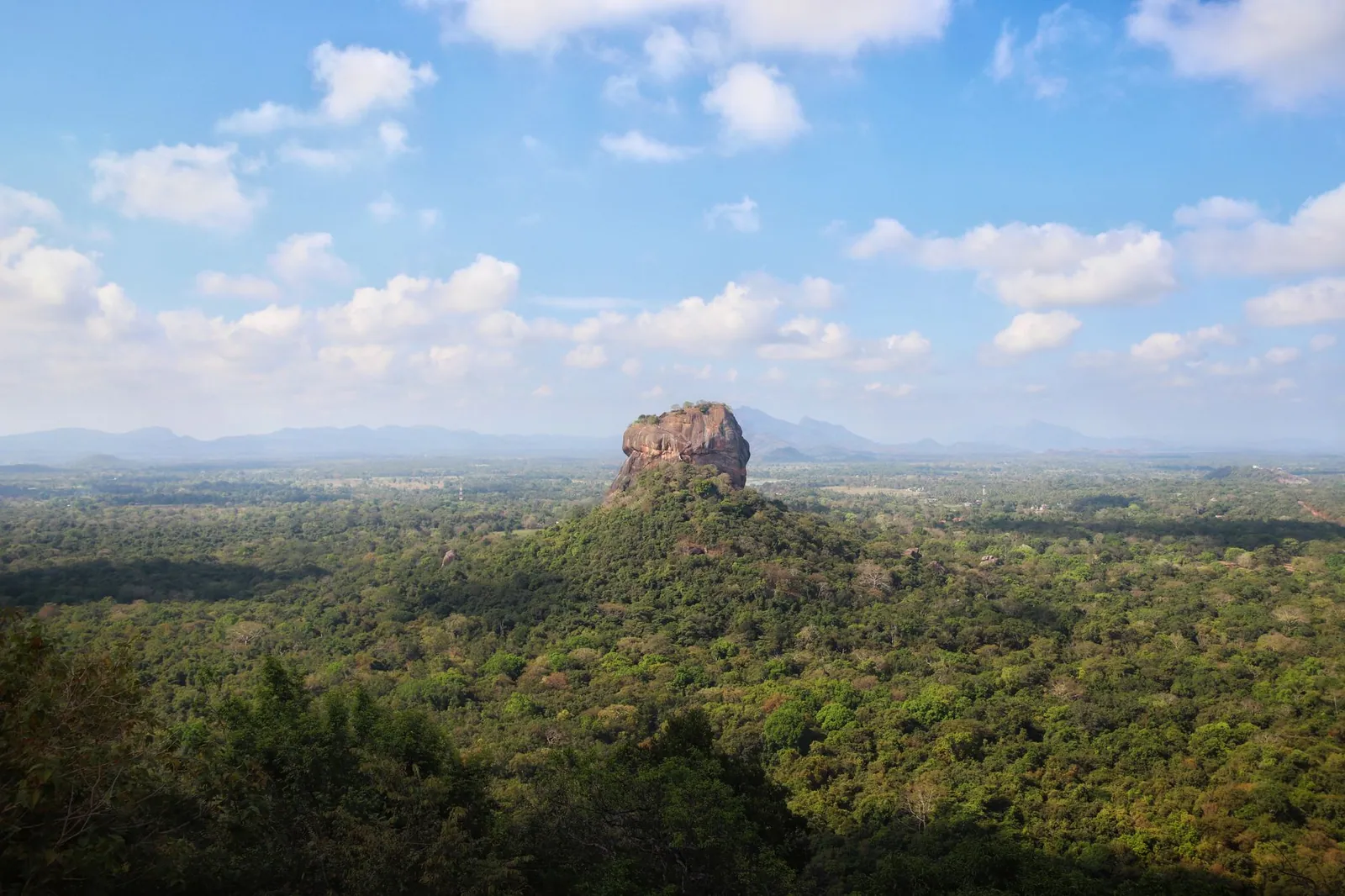
The classic loop runs north-east to the cultural triangle, climbing Sigiriya's rock fortress at dawn (the lion's paws halfway up remain one of travel's great staircases) and the cave temples of Dambulla, then south to Kandy for the Temple of the Tooth, then higher still on the tea country train to Ella or Nuwara Eliya through green so saturated it looks colour-graded, finishing on the south coast, Galle's ramparted Dutch fort and the beach towns beyond it. Ten to fourteen days does it justice; the trains want booking ahead; and a car with driver, arranged before you fly, turns the awkward legs into effortless ones. The whole loop, flights included, is exactly the kind of trip worth pricing as one itinerary rather than assembling from parts.
Colombo bookends all of it, which is why we usually plan an arrival night and a departure day in the capital: you land soft, and you leave with the last-minute tea, spices and one final crab dinner handled. Day tours from Colombo also cover Galle and even Sigiriya for travellers on genuinely short stays; the partner options below list the dependable ones.
A 48-hour Colombo, hour by hour
Day one: Fort on foot from 8am while the light is kind, coffee in the Dutch Hospital arcades, Pettah's markets before the midday crush, then an air-conditioned retreat to the National Museum through the hot hours. Late afternoon at Gangaramaya and Seema Malaka as the lake goes still, then Galle Face Green for sunset with isso vadei in hand, and the crab dinner you booked before flying, because the famous rooms fill.
Day two: hoppers early somewhere serious, then a choice: south to Mount Lavinia for a swim and a long seafood lunch, or inland through Cinnamon Gardens' galleries and boutiques with a rice and curry stop at a lunch institution. Tea tasting and spice shopping through the afternoon, kottu roti hunted by ear after dark, and a tuk-tuk ride home along the ocean with the windows that tuk-tuks do not have wide open.
The rhythm to copy is the local one: mornings and evenings outdoors, the fierce midday hours indoors or at a table, and no attempt to conquer the city by checklist. Colombo is a pace, not a list, and 48 hours at the right pace beats a week at the wrong one.
Where to stay in Colombo
Fort and Galle Face for first visits: the heritage grand dames and new towers face the ocean, sunset is a lift ride away, and the walkable sights cluster nearby. Cinnamon Gardens (Colombo 7) for the leafy, boutique-hotel version of the city, all embassies and cafés. Mount Lavinia for beach-first stays on a budget, accepting the commute. Colombo prices sit gently beside equivalent Asian capitals, and the colonial-era hotels offer heritage per dollar that Singapore stopped offering decades ago: compare Colombo hotel rates across the districts before peak-season dates lock up.
Getting there from Australia
Colombo connects to Australia through the Southeast Asian hubs on full-service one-stops, via Singapore and Kuala Lumpur most naturally, with itineraries timed so the long leg runs overnight, and SriLankan Airlines' regional network meshing with the big carriers. Demand spikes around the December to January peak, Easter and the mid-year school holidays, when Australia's Sri Lankan community flies home and leisure traffic stacks on top; fares move daily and are quoted individually. Request your Colombo fare quote and a consultant replies within 2 business hours with wholesale fares, sensible connections and, if you want it, the whole island loop, drivers, trains and beach stays included, built by people who plan this island every month.