
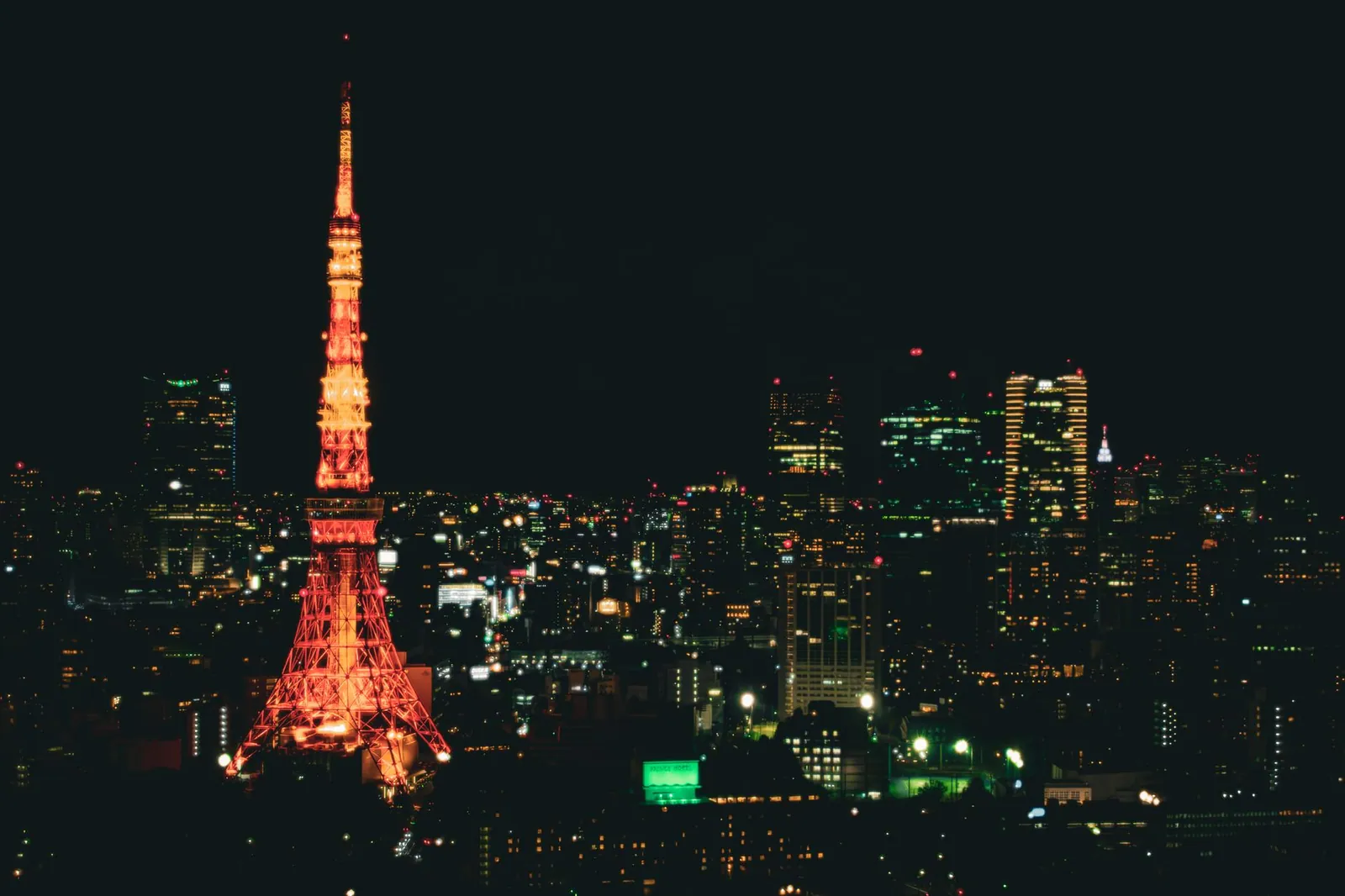
Best Hotels in Tokyo | Pick the Station, Not the Suburb
Tokyo is not organised into neighbourhoods the way Australians think about cities. It is organised around stations, and once you book the station rather than the suburb, the whole city gets easier.
Book the station, not the suburb
Australians book hotels by neighbourhood, because that is how our cities work. You pick Surry Hills or Fitzroy and then you walk around it.
Tokyo does not work that way, and travellers who book it that way spend their trip confused about why nothing is near anything.
Tokyo is organised around stations. The city is enormous and dense, the rail network is the best in the world, and where you sleep matters almost entirely in terms of which lines you can reach on foot and how many changes stand between you and the rest of the city.
So the question is not "is Shibuya nice". It is "which station, which lines, and how far is the actual walk". Get that right and Tokyo becomes astonishingly easy. Get it wrong and you will spend an hour a day changing trains for no reason. Ask us to check the station.
The areas, honestly
Shinjuku. The most useful base in the city, because the station is a monstrous interchange and almost everything becomes a short ride. It is also the busiest station in the world and genuinely disorienting the first time: do not fight it, follow the signs, accept that you will get lost once. Golden Gai and Omoide Yokocho are here, which is either a feature or a reason to sleep elsewhere.
Tokyo Station and Marunouchi. The other great hub, calmer than Shinjuku, and where you want to be if your trip continues by shinkansen. Business district, so it empties at night, which some people love.
Shibuya. Younger, louder, shopping and bars, and the crossing. Excellent if that is the trip.
Asakusa. The old city, Sensō-ji, lower prices, and a genuinely different atmosphere. Further from the action and better value, and the trade is real.
Ginza. Dining and department stores. If your Tokyo is food, this is defensible.
Shimokitazawa or Kōenji. Where people actually live. Lovely, and a longer ride to everything, which is fine on a second visit and a mistake on a first.
Our Tokyo travel guide argues that the neighbourhoods are the sights in Tokyo, which is true for visiting them. Sleeping in a quiet one is a different decision.
The room size shock
Say this plainly, because it surprises Australians every time.
Tokyo hotel rooms are small. A standard room can be genuinely tiny by our standards: enough space for the bed and a person standing beside it.
They are also spotless, superbly designed, with a bathroom that will make you re-evaluate your own, and everything works.
So the category names do not mean what they mean at home. A "double" may be a bed you would call a small double. Twin beds are a common default and couples are caught out by it constantly. Specify what you want rather than assuming, because a bad guess is a fortnight of poor sleep.
And the business hotel is a category that barely exists in Australia: small, clean, efficient, cheap, perfectly pleasant. It is not a lesser hotel, it is a different product, and for a couple who intend to be out all day it is frequently the smartest booking in the city.
The trade to make
Accommodation is where your Tokyo money goes. Everything else is cheaper than Australians expect, food especially: you can eat superbly for the price of a mediocre lunch at home, as our Tokyo guide explains.
So the trade we recommend: a smaller room in a better location, rather than a bigger room further out.
You are not going to be in the room. You are going to be walking around one of the great cities on earth from about eight in the morning until late. What you want is a bed by a station and a bathroom that works. The extra ten square metres will cost you either money or twenty minutes of commuting each way, and neither is worth it.
Where not to stay
The airport. Neither Haneda nor Narita, unless you have a genuinely brutal early departure. Both are a serious distance from the city and an airport hotel costs you a Tokyo evening, which is an expensive way to save forty minutes. Haneda in particular is close enough that a normal city hotel works for most departures, and that is one more reason our Sydney to Tokyo page argues so hard for choosing Haneda over Narita.
A ryokan in Tokyo. We would talk you out of this. The ryokan experience is about onsen, kaiseki and a slower place, and Tokyo is the wrong setting for all three. Save it for Hakone, Kyoto or the mountains. In Tokyo, book a city hotel by a station.
Anywhere requiring two line changes to reach Shinjuku or Tokyo Station. It sounds like a small thing. Over five days it is not.
When rates move
Late March to May and October to November are the peaks, for blossom and autumn colour, and our best time to visit Japan guide explains why the blossom weeks in particular are a scramble: the timing shifts each year and an enormous amount of demand compresses onto dates nobody can predict.
Golden Week, around late April and early May, is when the entire country travels at once. Rates rise, availability vanishes, and Australians walk into it because it is not on our radar.
Winter, January and February, is the value window. Cold, dry, clear, and the rooms and fares are the cheapest of the year. Almost nobody books it and it is a genuinely good trip.
Tokyo has also become busier in recent years, and the practical consequence is that the good rooms in the good locations go earlier than they used to. Book the station you want rather than the one that is left.
The practical notes
Check the actual walk. A hotel listed as Shinjuku can be fifteen minutes and three exits from the platform you need. We check this rather than trusting the label.
Luggage forwarding is a genuine service. Japan will send your suitcase from your Tokyo hotel to your Kyoto hotel overnight for very little, which means you travel between cities with a day bag. It is one of the best things about the country and almost no visitor uses it.
Do not assume a rail pass. Our Tokyo guide covers this: the Japan Rail Pass does not cover most trains you will use inside Tokyo, and for a trip of Tokyo plus one city it very rarely pays for itself.
Carry cash. More than feels normal. Small hotels, small restaurants and some ticket machines still want it.
Rates move constantly and the good locations go first. Get a free Japan quote and a consultant will reply within 2 business hours with the flights priced and, if you tell us the shape of the trip, the station worth booking near.
Booking notes
Prices shown by our partner are live and land in Australian dollars from our links, and free cancellation windows are stated on each listing. Our current hotel partner is Agoda, which lists Japan properly, business hotels and ryokan included, rather than only the western-brand towers. Its scores run out of 10 and come only from guests who completed the stay, which is the fastest way to tell a well-run compact room from a merely small one.