
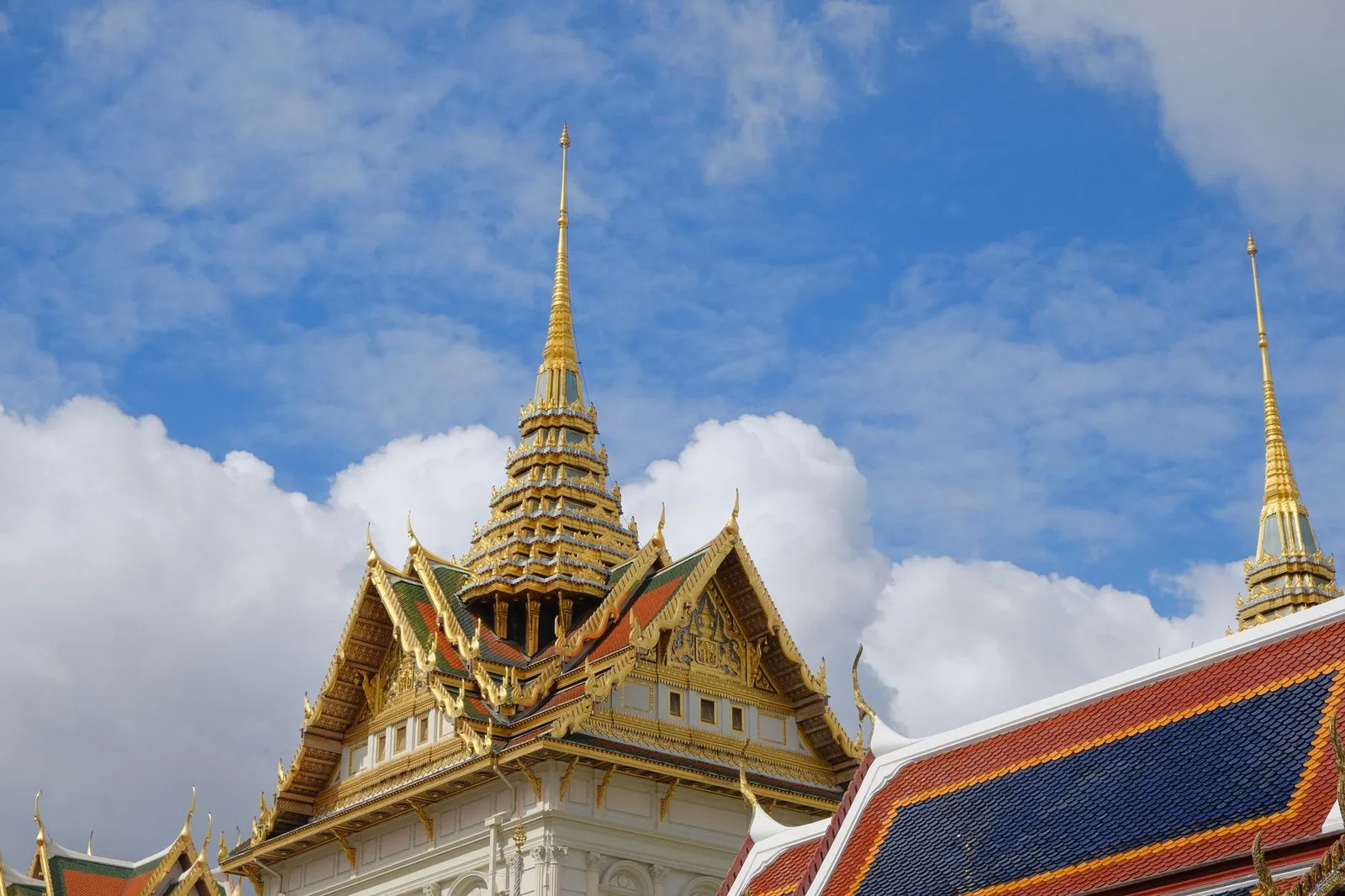
Best Hotels in Bangkok | Where to Stay, Sorted by the Train Line
Bangkok has world-class hotels at prices that make Australians laugh, and traffic that can turn a two-kilometre trip into forty minutes. Which means the hotel question here is really a transport question wearing a nicer outfit.
The hotel question is a traffic question
Here is a thing that Bangkok teaches you on day two. Two hotels can be the same distance from the Grand Palace on a map, cost the same, look the same in photographs, and deliver completely different holidays. One is a four-minute walk from a skytrain station. The other is not.
Bangkok's traffic is not an inconvenience, it is a structural fact. A two-kilometre taxi ride at the wrong hour can take forty minutes and leave you wondering where the afternoon went. The elevated train and the underground move above and below all of it and turn the city into something manageable and genuinely fun.
So before you compare a single room photograph, look at the walk to the nearest station. Under five minutes and the city opens up. Fifteen minutes in the heat with a five-year-old and you will take taxis, and then you will sit in them.
That is the whole guide. Everything below is detail.
Sukhumvit: where most people should stay
Sukhumvit runs along the train line, which is the point. It is the default answer for first-timers, and the default is right.
You get restaurants at every price point, malls to escape into when the heat wins, rooftop bars, massage places on every corner, and a station every few hundred metres. It is not the prettiest part of Bangkok and nobody stays here for the architecture. You stay here because you can get out of the hotel, get on a train, be at a temple in twenty minutes, and be back for a swim.
The mid-range here is where the value is, and it is why we send families to this district more than anywhere else. Being able to walk to dinner, to a chemist and to a train on a 34-degree evening is worth more than a plunge pool. The Asok and Phrom Phong areas are the sweet spot: well served by both train lines, walkable, and stocked with everything you need.
The honest caveat: parts of lower Sukhumvit have a nightlife character that some families would rather not walk past. It is easily avoided, and it is worth knowing which streets before you book rather than after. Compare Sukhumvit hotels
Riverside: the grand hotels and the better commute
The Chao Phraya changes the equation, because the river is itself a transport network, and a beautiful one.
The riverside is where Bangkok's legendary hotels are: The Mandarin Oriental, The Peninsula Bangkok, The Siam, Capella Bangkok. These are not merely nice hotels, they are among the best in the world, and they cost a fraction of what a comparable room costs in Sydney. If you have one splurge in your trip, this is where it earns the most.
The commute is by boat, which sounds like a compromise and is in fact the nicest twenty minutes of any Bangkok day. The express boats and hotel shuttles connect to a skytrain interchange, so you are not cut off; you are just travelling in a more civilised way than the people in the taxis.
Where it costs you: you are further from Sukhumvit's density of restaurants and shops, and the boats stop running earlier than the trains. If your evenings are late and spontaneous, this is a genuine trade. If your idea of a good evening is a riverside dinner and bed, it is not a trade at all. Compare riverside hotels
Silom and Sathorn: the working city
Silom is the business district, which means excellent hotels priced for expense accounts and, on the weekends, softer rates. It sits on both train lines, it has Lumphini Park for a morning walk that does not involve traffic, and the street food around Silom and Convent Road is some of the best in the city.
This is where we put business travellers and, quietly, a lot of couples who have been to Bangkok before and want somewhere less frantic than Sukhumvit without moving to the river. It is the grown-up answer.
The old city: beautiful, and badly connected
The Grand Palace, Wat Pho, Wat Arun and the Khao San area are all in the old city, and the old city is not on the train line. That single fact should decide your booking.
Staying here means you can walk to the temples in the early morning, which is genuinely the best time to see them. It also means that everything else you do involves either a boat or a taxi in traffic. For a two-week stay it might be worth it. For a four-night visit, most travellers are better off staying on the line and coming here by boat, which is a lovely trip and puts you at the palace at the same hour anyway.
Our Bangkok travel guide works through what is actually worth your time in each district.
The airport question, and the one that catches people
Bangkok has two airports and they are genuinely separate places, not two terminals. Most full-service flights from Australia land at the main international airport, which connects to the city by rail and road. The older secondary airport handles much of the budget traffic.
Two consequences. First, check which airport your flight uses before you book a hotel near "the airport". Second, and more importantly, never plan a connection between the two on separate tickets: they are far apart with Bangkok traffic in between. Our flights to Thailand page explains why that mistake is the most reliable way to miss a flight in Asia.
An airport hotel is worth it for one thing only: a genuinely early onward flight or a late-night arrival where the city is not the point. For every other trip, get on the train and stay where you actually want to be.
The calendar
November to February is the cool season and the peak. Rates are highest and the weather is best. Christmas, New Year and Chinese New Year are the hardest weeks, when even the deep Bangkok hotel market tightens.
April to October is the softer half. The wet months are the cheapest, and Bangkok rain arrives, does its work loudly, and leaves. It is not the reason to avoid a trip; it is the reason a five-star room becomes affordable.
Songkran in mid-April deserves its own line. The whole country becomes a water fight for several days. It is joyful and it is chaotic, hotels fill, and nothing about the city runs normally. Go on purpose or plan around it, but do not arrive in it by accident.
Booking notes
Rates through our partner Agoda are live and quoted in Australian dollars, and Bangkok is a market where checking a couple of dates genuinely pays, because the top end swings hard with the season. Agoda runs its largest operation out of Bangkok and its Thai inventory reflects that: riverside grandes dames, Sukhumvit serviced apartments and the small Ari boutiques all appear in one search. Scores behind each link run out of 10 and come from completed stays, cancellation terms are stated per rate, and payment happens on the partner's side; we never see your card details.
Two pieces of Bangkok-specific advice. Filter by the walk to the station, not the distance to the Grand Palace. And book the riverside splurge for the wet season if the dates are yours to choose, because that is when the great hotels become merely expensive rather than genuinely expensive.
Since the flight costs more than the room, get your free Bangkok fare quote first. Or start comparing Bangkok stays while you work out the dates.