
London Travel Guide | For Australians, Who Think They Know It
Every Australian arrives in London already knowing it, which is exactly the problem. The city you have absorbed through television is real, and it is about four percent of what is there. Here is the rest, plus the two logistics decisions that shape the whole trip.
You already know London, and that is the problem
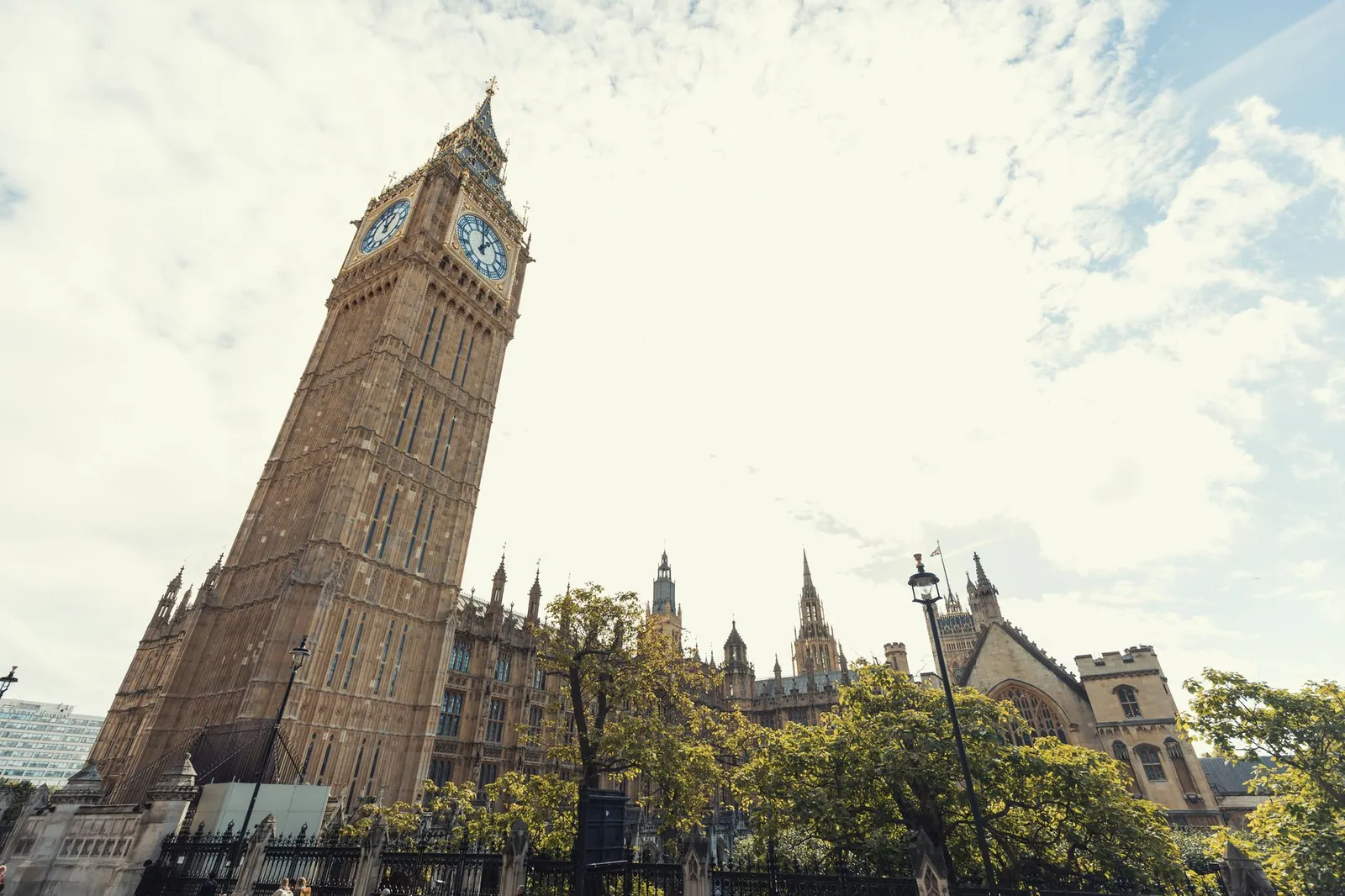
No Australian arrives here cold. We have absorbed this city through decades of television, novels, news and family stories, and we land with a mental map made of Big Ben, black cabs, red buses and a vague sense of Notting Hill.
All of it is real. It is also, roughly, the West End and Westminster, which is a small fraction of an enormous city, and it is the fraction that every other visitor is standing in.
So this guide assumes you will do the famous things, because you should, and spends its effort on the two decisions that actually shape the trip and the parts of the city that the television did not cover. Ask us about London fares.
Decision one: the airport, and the day it costs you
You have just flown for something like twenty-two hours. The next ninety minutes matter more than they should.
Heathrow is where almost every long-haul carrier from Australia lands, and it is the right answer. It has the fastest rail links into the middle of the city, including the underground line that costs very little, and a faster express service that costs considerably more and saves maybe twenty minutes. Take the cheap one; you are not in a hurry, you are in a fog.
Gatwick is workable, further out, with a decent train.
Stansted and Luton exist for European budget flights and they are a genuine expedition from central London. If a cheap search offers you a Europe leg into one of these, price the transfer and the time before you accept it.
The point is that the airport is part of the fare, not a detail after it. Our Sydney to London flights page covers the routings and which hub delivers you at what hour, and on a sector this long the cabin question is a real one, which is what our business class Sydney to London page is for.
Decision two: the jet lag is worse this way
Nobody warns Australians about this properly.
Going to Europe is the hard direction. You are crossing eight to eleven hours of time zones after roughly a full day of travelling, and the first two or three days are genuinely difficult in a way that the trip home is not. You will be wide awake at four in the morning and unable to hold a thought at three in the afternoon.
The fixes are unglamorous and they work. Arrive in the evening if the schedule allows, so you can go straight to bed at a plausible hour. Get outside into daylight on the first morning, which does more than any tablet. Do not schedule anything expensive, important or ticketed for the first 48 hours, because you will not enjoy it and you will have paid for it. And book the hotel from the night before if you land at dawn, which most Gulf routings do.
Australians routinely book a West End show for the night they land. Do not be one of them.
The free museums are the best thing here
This is the single best value in world travel and Australians consistently underuse it.
The national collections have free general admission. The British Museum, the National Gallery, the Tate Britain and Tate Modern, the Natural History Museum, the V&A, the Science Museum, the National Portrait Gallery, all of them, free to walk into. Special exhibitions are ticketed and some require booking, and a donation is invited and thoroughly deserved.
The correct way to use them is the opposite of how most visitors do. Do not attempt the British Museum in a day; it cannot be done and the attempt is miserable. Go for ninety minutes, see four things properly, and come back on another morning. They are free. That is the entire gift: you can treat a world-class museum like a coffee shop.
Our pick for a first visit, if you only do one: the V&A, because it is the strangest and least exhausting of them, and because most people have never heard of it.
The London that is not on television
Borough Market on a weekday morning, before the tourists and the queues, when it is still a working market.
Hampstead Heath for the swimming ponds and the view from Parliament Hill, which is the best free view in London and involves no lift.
The canals at Little Venice and along the Regent's Canal to Camden, which is a walk almost nobody takes and which passes through the back of the zoo.
Spitalfields, Brick Lane and the East End, which is where the city's immigrant history is written on the buildings, including one structure that has been a Huguenot chapel, a synagogue and a mosque in turn.
Greenwich by river rather than by train. The boat is the point.
The Barbican, a piece of brutalist architecture that people either love or find offensive and which contains a conservatory nobody knows about.
A proper pub, on a weekday, in a residential street rather than a famous one in a tourist quarter. The good ones are the ones with no history to sell you.
Kew Gardens, which is genuinely one of the great gardens of the world and is treated by Londoners as a nice park.
What we tell Australians to skip
The London Eye. It is slow, it is expensive, and the view is of a city with a fairly flat skyline. Parliament Hill is free.
Madame Tussauds. You have flown to the other side of the earth to look at wax.
The hop-on-hop-off bus. London's actual buses are red, cost almost nothing, and go to the same places. Sit upstairs at the front on a normal route and you have had the tour.
Oxford Street. It is a shopping street with more people on it than any shopping street should have.
Three days. Which is the real one. Australians give London three days on the way to Europe and then wonder why it did not land.
The week that works
Five days minimum, seven if you can.
Arrive. Do nothing. Walk somewhere green in daylight, eat early, sleep.
Two museum mornings, ninety minutes each, spaced across the week rather than stacked.
One day of the famous things: Westminster, the parks, the river, the changing of the guard if that appeals, done on foot because the walking is the connective tissue.
One day out of the centre: Greenwich by boat, or Hampstead, or the East End.
One day trip: Oxford, Bath, Cambridge or Brighton, all reachable and back by dinner.
One evening at the theatre, which is the thing London genuinely does better than anywhere. Book it for late in the trip when you are on local time.
And leave something undone, because you will come back, and because a city this size punishes completism.
Practical things worth knowing
Just tap your card. Contactless bank cards and phones work on every bus, tube and train in the city, with the same fares and the same daily caps as any travel card. You do not need to buy anything. Use the same card at both ends of the journey and give everyone in your group their own.
Nothing has air conditioning. London in a hot July is a genuinely uncomfortable city, because the buildings and the underground were designed for a climate that has moved.
The dark is the thing, not the cold. A London winter is milder than Canberra. It is also dark by four in the afternoon, which is what actually gets Australians, and which is worth knowing before you book a December trip.
The Eurostar is better than flying to Paris. City centre to city centre in a couple of hours, no airport at either end. Our flights to Europe page covers how to shape a multi-city European trip, and the construction to ask about is an open jaw: into London, home from Rome or Athens, so you never fly backwards. Get a free London quote.