
Mumbai Travel Guide | When to Go, Where to Stay and What to Know
Bollywood, colonial grandeur, sea breezes and the best street food in India. Mumbai is intense, glamorous and completely addictive. Arrive prepared and it will look after you.
Reading the city: five things that explain Mumbai fast
- It is an island city out of room, which is why everything is vertical, the trains are packed and the sea is the release valve. Marine Drive at night is the city exhaling.
- The dabbawalas' lunch network moves hundreds of thousands of tiffins daily with legendary accuracy and no technology to speak of; watching the Churchgate handover at late morning is free theatre about how this city actually works.
- Bollywood is infrastructure, not novelty. The industry employs the city and decorates every hoarding; a studio tour explains half the billboards and most of the glamour.
- Old money lives south, new energy lives north. Colaba and Fort hold the Raj-era grandeur; Bandra and beyond hold the restaurants, the studios and the sneaker queues. A good visit deliberately does both.
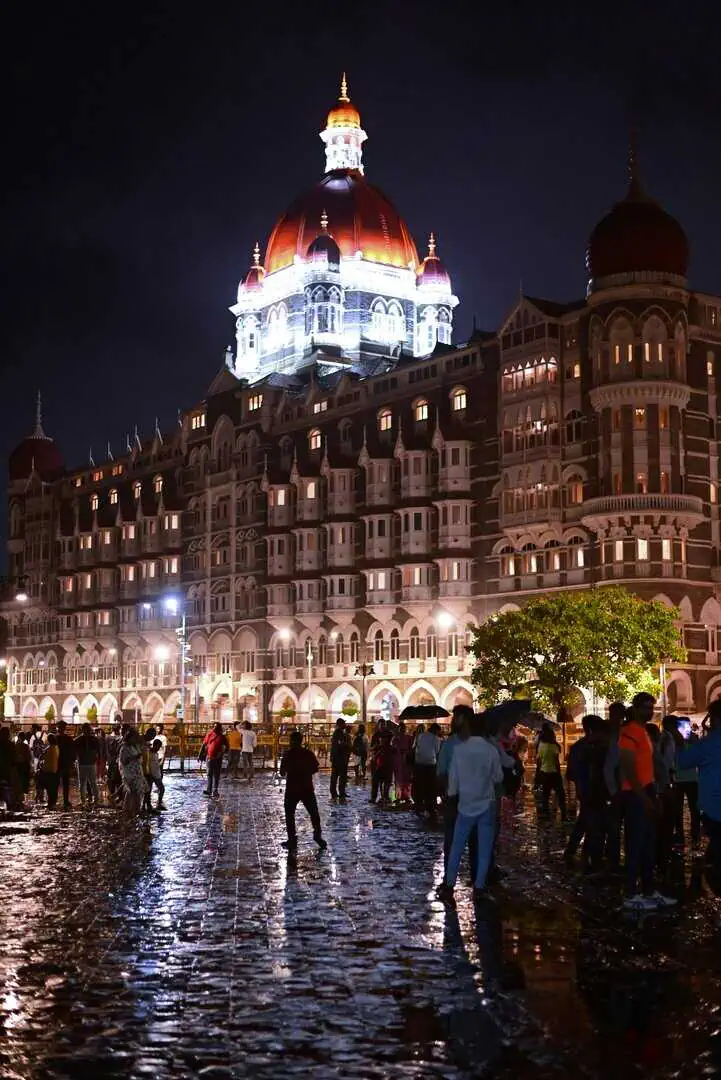
- The monsoon is an identity, not just weather. Mumbaikars date memories by great rains. Visit in season and you will understand, ideally from a cafe window with chai and pakoras.
When to go
Mumbai is a winter city by Australian standards. November to February brings dry air, 30-degree days and the social season: cricket at Wankhede, weddings everywhere, festivals on the beaches. The monsoon, June to September, is genuinely spectacular but comes with flooded streets and delayed flights. If those are your only dates, build slack into your plans and book hotels with covered transfers.
Flights from Australia price hardest between November and January, so get your fare quote early and let the rest of the itinerary follow.
Where to stay
- Colaba and Fort for first-timers: the Gateway of India, the Taj Mahal Palace, museums and cafes in walking distance. This is postcard Mumbai.
- Marine Drive and Churchgate for the view: the Queen's Necklace at night from a sea-facing room is worth planning for.
- Bandra West for the cool crowd: boutiques, bars and Bollywood neighbours. Better value than South Mumbai and the airport is closer.
- Powai or the airport belt for business and short layovers: international hotels, predictable traffic times to the business districts.
Our hand-picked Mumbai hotels sort these by budget once that page lands; until then, ask us with your quote and we will point you honestly.
Eat like the city depends on it
Mumbai's street food is a civic religion: vada pav from a stall in Dadar, bhel puri on Chowpatty Beach at sunset, kebabs at Mohammed Ali Road during Ramadan, and South Indian breakfasts in Matunga that outclass most restaurants. A guided evening food walk in the first day or two recalibrates the whole trip; see our things to do in Mumbai for the tours worth booking before you fly.
Day trips that earn the traffic
Two escapes justify leaving the island city. Elephanta Island is the classic: an hour's ferry from the Gateway to sixth-century cave temples whose colossal Shiva carvings predate almost everything else you will see in Mumbai; go on the early boat and beat both heat and crowds. Alibaug, by fast ferry, is where the city itself escapes: beaches, seafood shacks and old Portuguese-era forts, best midweek when the weekenders are at their desks. The ambitious add Sanjay Gandhi National Park inside the city limits, where leopards genuinely roam within sight of apartment towers and the Kanheri cave monasteries reward the walk in.
The practical bits
- Airport arrival: pre-book a hotel transfer or use the official ride app queues. The airport is deep inside the city, and a 10km trip can take an hour at the wrong time.
- Money: cards nearly everywhere, but keep cash for taxis, stalls and tips.
- Dress: light fabrics year round. Cover shoulders and knees for temples and the Haji Ali Dargah.
- Day trips: Elephanta Island's cave temples by ferry from the Gateway, or the Sanjay Gandhi National Park leopards if you want a story nobody expects from Mumbai.
Two perfect Mumbai days (and a third if you have it)
Day one, south: the Gateway of India before the tour buses, the Taj Mahal Palace lobby for architecture and air-conditioning, Kala Ghoda's galleries and cafes, the Victorian pile of CST station at golden hour, then Marine Drive as the lights come on. Finish with bhel puri on Chowpatty sand.
Day two, deeper: the early ferry to Elephanta Island's cave temples, back for a Fort district lunch, then choose your afternoon: the dhobi ghat and dabbawala logistics with a guide, or Crawford Market solo with sharp elbows. Evening belongs to Bandra: bandstand promenade, boutiques and the city's most argued-about restaurants.
Day three, if you have it: a dawn visit to Sassoon Dock's fish market for the most cinematic hour in urban India, the Prince of Wales Museum, and a Bollywood studio tour to understand what the billboards have been shouting about. Our things to do in Mumbai page ranks all of these with booking links.
The food city, taken seriously
Mumbai eats better than almost anywhere, at every price. Non-negotiables: vada pav from a proper stall (the city's spiced-potato soul in a bun), a seafood thali in a Konkan lunch home, kebabs on Mohammed Ali Road after dark, South Indian breakfast in Matunga, and one air-conditioned splurge among the Bandra or Colaba new wave. First-timers should take a guided food walk on night one; it recalibrates courage and shows you the hygiene tells that let you freelance safely for the rest of the trip.
What Mumbai costs on the ground
Mumbai is India's most expensive city and still gentle by Sydney standards, with one exception: hotels. Rooms in South Mumbai and Bandra price like the global city Mumbai is, and they fill, which is why our Mumbai hotel shortlist leads with booking-ahead advice. Everything else is friendly: taxis and ride apps cost small change by Australian reckoning, street food is nearly free, museum entries are trivial, and even the famous fine-dining rooms undercut their Melbourne equivalents. Spend where it shows (the room with the sea view, once) and let the street feed you the rest of the time.
Monsoon, festivals and other timing fine print
The monsoon (June to September) is not a reason to avoid Mumbai, but it is a reason to plan around it: carry a real umbrella, expect the occasional flooded afternoon, and treat ferry schedules as suggestions. Ganesh Chaturthi (August or September) is the city's grandest festival, ten days of processions climaxing in immersions at Chowpatty; extraordinary to witness, hopeless for traffic. Cricket finals, New Year and big weddings all squeeze hotels without warning. When your dates are fixed, get the flight quoted first and the room booked second, and do both earlier than feels necessary.
Getting there from Australia
Mumbai is one stop from every Australian capital, with Singapore Airlines, Malaysia Airlines and Cathay Pacific the regulars and Air India's non-stop appearing seasonally; the full picture is in our Sydney to Mumbai route guide. Flying up the front? Mumbai is our single most requested business class route. Either way, the quote is free: tell us your dates and we will reply within 2 business hours.