
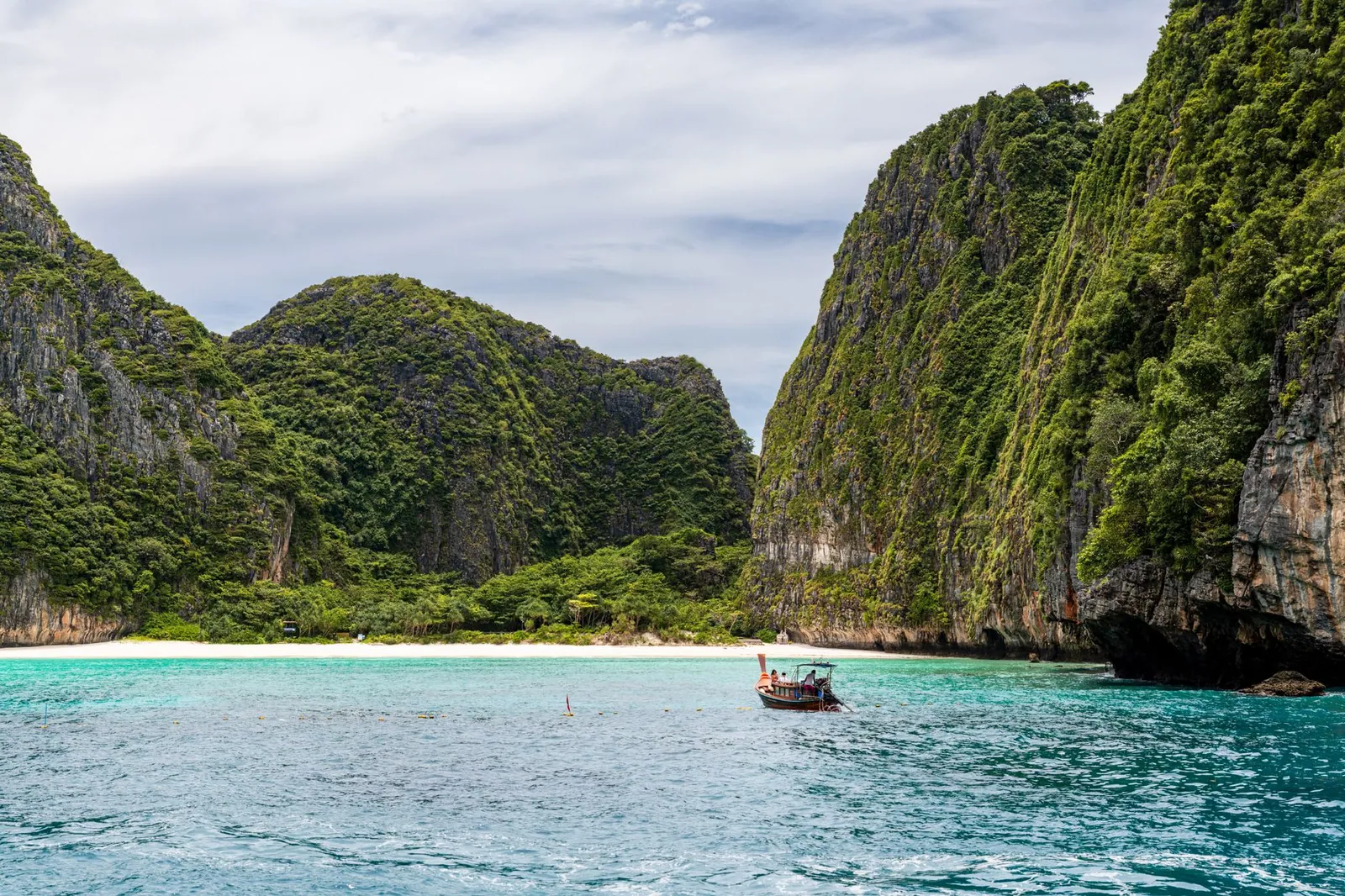
Best Hotels in Phuket | The Beach Decides Everything
Almost all Phuket disappointment is beach disappointment wearing a hotel's name. Pick the beach first, and the resort question mostly answers itself.
Pick the beach, not the resort
Almost all Phuket disappointment is beach disappointment wearing a hotel's name.
Someone books a lovely property, arrives, and finds that the beach outside it is loud, or empty, or two hours from anything they wanted. The hotel did nothing wrong. The beach was the decision and nobody framed it that way.
So: pick the beach first. The resort question mostly answers itself afterwards, and a mid-range property on the right beach beats a luxury one on the wrong beach, which is not true in many destinations. Ask us which beach fits.
The beaches, honestly
Kata and Karon. The sensible middle and where we send most people. Long, sandy, plenty of accommodation at every level, good food, calm water in the dry season, walkable, and busy without being aggressive. Kata is smaller and slightly nicer; Karon is longer and quieter at the ends.
Nai Harn. The local favourite: a beautiful bay at the southern end, a lagoon behind it, less development, and Thai families on the sand at the weekend. Our pick if you have a car or do not mind being removed.
Kamala and Surin. Quieter and a step upmarket, with less to do and better places to do nothing. Good for couples.
Bang Tao and Laguna. The big-resort strip in the north-west, which suits people who intend to stay on the property and never leave. Closest to the airport, which matters more than you would think.
Rawai. Not really a swimming beach, and that is why it is interesting: it is where the boats go from, the seafood market is excellent, and it feels like a place people live.
Patong. Only if the nightlife is the actual reason for the trip. It is loud, neon and about two kilometres long, and it is what people mean when they say Phuket is ruined. It is not a moral failing to want it. It is a specific choice and it should be made deliberately rather than by accident.
Our Phuket travel guide goes through all of them at length.
The airport distance nobody budgets for
The practical fact that shapes the booking.
The airport sits in the north. Most of the beaches are west and south.
Bang Tao and Kamala are relatively close. Kata, Karon and Nai Harn are a genuine drive, an hour or more with traffic, and the transfer is not cheap by Thai standards.
For a late arrival, that is a real consideration. Landing at ten at night and then driving for an hour with tired children is a different proposition from landing and being there in twenty minutes.
It is also why the transport situation on Phuket is the one thing here that is not cheap: taxis are expensive by Thai standards and the ride-hailing position has been complicated, which is a long-standing local irritation. Factor transport into where you stay rather than treating it as an afterthought.
The red flags are not decoration
This is the serious part and we would rather over-say it than under-say it.
The west coast of Phuket develops genuinely dangerous rip currents in the monsoon months, and people drown here every year. Some of them are Australians, and some of them are strong swimmers, and the two facts are related: we grow up on patrolled beaches with flags and lifesavers and we quietly believe our beach competence transfers.
It does not. Most beaches here have no patrol. The red flags mean do not enter the water, and they are placed by people who watched what happened last week.
The hotel consequence: a property with a good pool is a genuine hedge here, not a luxury. The sea is unavailable more often than people expect, and a beachfront room with a closed beach is worth considerably less than the photograph suggested.
Old Phuket Town, at the end
The recommendation nobody takes and we make constantly.
Old Phuket Town is genuinely lovely: Sino-Portuguese shophouses painted in pastels, a Sunday walking street, good coffee, and a food scene that has nothing to do with the resorts. It is where the island keeps its personality.
Two nights there at the end of the trip and you will have seen an island most visitors miss entirely. The properties are small and characterful and cost a fraction of the beach resorts.
It is the single best structural suggestion we make about Phuket.
The monsoon trade
November to April is the dry season: calm water, reliable sun, everything open, boats running. December to March is the peak with the rates that implies.
May to October is the southwest monsoon: heavy rain, rough seas, the dangerous currents above, and some island trips cancelled because the boats cannot run. Rates fall a long way.
The honest calculation, and it is the same one our Phuket guide makes: if the boats and the beach are the holiday, come in the dry season. If the pool and the food and the massage are the holiday, the monsoon is excellent value and we will happily book it. The rain arrives in dramatic bursts and the sun comes back; the island is green and half empty.
What is affected is the sea and the island hopping, and that is exactly what most people came for.
The motorbike, and your insurance
Not a hotel matter and worth saying because every resort will offer you one.
Most travel insurance requires an appropriate licence to ride a scooter, and appropriate frequently means a motorcycle licence valid in Australia, not a rental agreement and a passport photocopy. Riding without it can void your cover for the accident and sometimes the whole trip.
Our travel insurance guide covers it properly. Every Australian who has been to Phuket has seen the scooter with the boardshorts and the flip-flops, and some of those riders are uninsured and do not know it.
Rates swing enormously with the season and the good properties on the good beaches go first over Christmas. Get a free Thailand quote and a consultant will reply within 2 business hours with the flights priced and the transfer time from the airport to your beach stated rather than discovered. Our flights to Thailand page covers the corridor, and the Bangkok layover guide covers the two-airport trap if you are connecting through.
Booking notes
Prices shown by our partner are live and land in Australian dollars from our links, and free cancellation windows are stated on each listing. Our current hotel partner is Agoda, and Thailand is its home market in practice: the beach-road guesthouses at Kata and Kamala are listed as completely as the Bang Tao resorts, and the scores out of 10 come only from guests who finished the stay.