
Flights to Vietnam from Australia | Hanoi, Da Nang, Ho Chi Minh City
Vietnam runs about 1,650 kilometres from top to bottom and has three separate weather systems working at once. Hanoi has a winter. Hoi An floods. Saigon does not care. Booking it well means knowing which Vietnam your dates belong to.
One country, 1,650 kilometres, three climates
Vietnam is shaped like a length of bamboo and behaves like three different countries. When Hanoi is grey and genuinely cold in January, Saigon is in perfect dry-season form. When the south is drenched in July afternoons, the central coast is at its best. When Hoi An is flooding in October, the north is having its finest month of the year.
No single week is good everywhere, and any page that gives you one "best time to visit Vietnam" is selling you something. What we do instead is match your dates to your itinerary, or your itinerary to your dates, whichever one is fixed. Tell us when you can travel and we will tell you which Vietnam that buys.
The three Vietnams
| Region | What is there | Best months | Avoid |
|---|---|---|---|
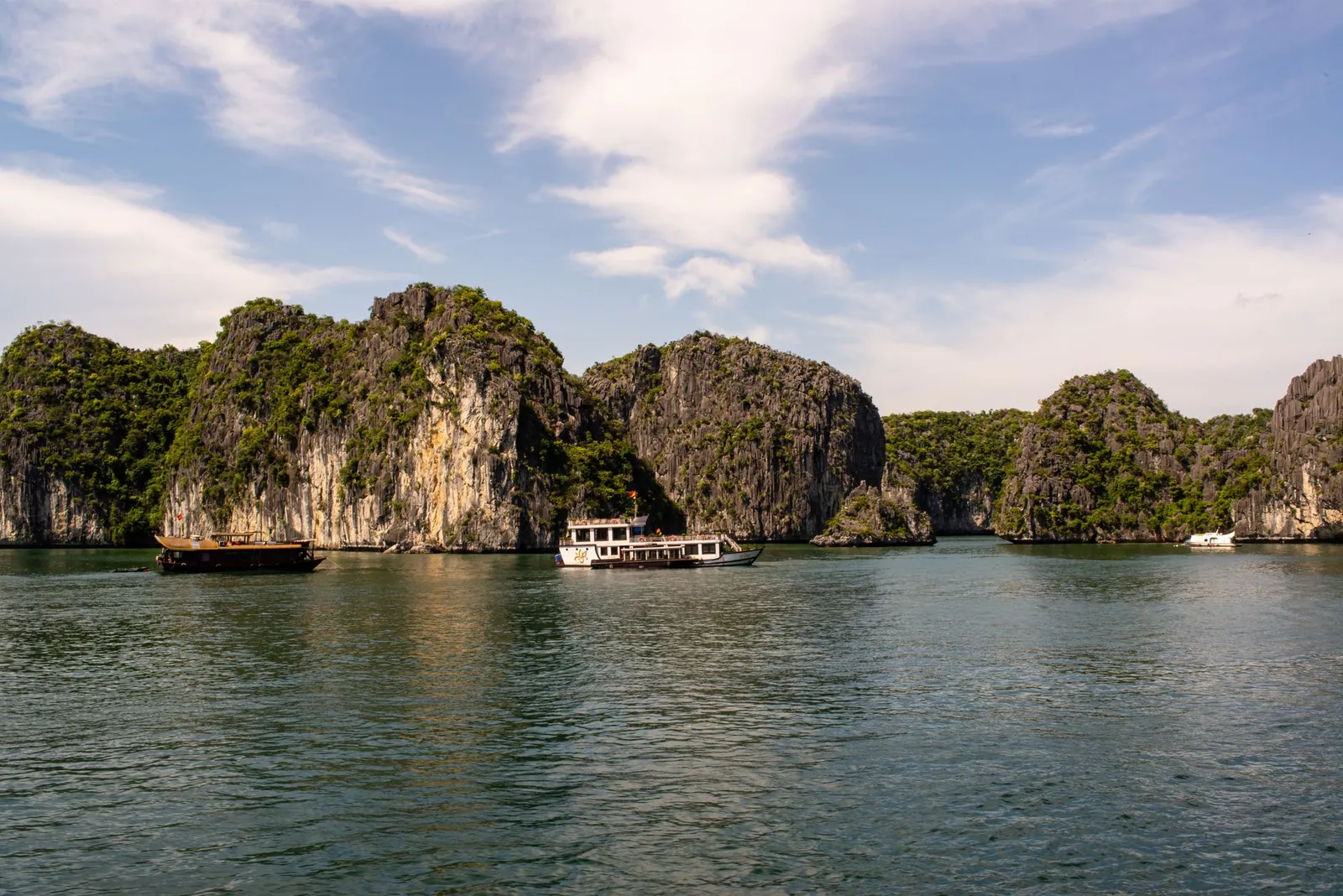
| North: Hanoi, Ha Long, Sapa, Ninh Binh | The capital, the karst bays, the mountains, the food that started it all | September to November, then March and April | December to February is cool and misty; June to August is hot and wet |
| Central: Hue, Da Nang, Hoi An | The imperial city, the beaches, the lanterns, the tailors | February to August | September to November is the wet and storm season, and the old town floods |
| South: Ho Chi Minh City, the Mekong, Phu Quoc | The energy, the delta, the islands | November to April | May to October brings the afternoon downpours, though they pass |
Read that table twice, because it contains the single most useful planning fact about Vietnam: February to April is the only window when all three regions are in reasonable shape at once. That is why it is the peak, and why it is worth booking early. Everything else is a trade-off, and trade-offs are fine as long as you are the one choosing them.
Tet, and why we ask your dates first
Vietnam's lunar new year falls somewhere between late January and mid-February, and it moves each year. For roughly a week the country stops. Businesses close, restaurants shutter, domestic flights and trains book out months ahead, and the entire population travels home to family at once.
If you are Vietnamese-Australian and flying home for Tet, you already know this, and you should be booking five or six months out. If you are a traveller who has never heard of it, arriving in the middle of it is a strange experience: the cities empty out, half of what you came to see is shut, and you cannot get a domestic seat anywhere.
It is not a reason to stay away. Tet is genuinely wonderful to witness if you plan for it and lower your expectations about logistics. It is a reason to know, which is why we check it against your dates before anything is paid for.
Land at one end, fly home from the other
Vietnam is long and thin, and the trip that works travels in one direction. Fly into Hanoi, work south through Ninh Binh, Hue, Hoi An and the coast, and fly home from Ho Chi Minh City. Or the reverse, if the weather in your month favours it.
What you should not do is fly into Saigon, travel the whole country, and then spend a day and a domestic fare coming back to Saigon to catch your flight home. The open-jaw ticket typically prices within a whisker of a standard return, and it hands you back a day of your holiday. Ask for it. Almost nobody does, because the booking sites bury it.
The map from Australia
The flights themselves are refreshingly straightforward. Vietnam Airlines flies non-stop from the east coast to both Ho Chi Minh City and Hanoi, at roughly eight and a half to nine and a half hours, with budget carriers also on the route. Connections through Singapore, Kuala Lumpur or Bangkok are worth comparing, especially if Da Nang is where you actually want to be, since it puts you in the middle of the country without a domestic leg from either end. Our flights to Singapore and flights to Thailand pages cover those hubs.
Three hours of time difference from the east coast means no jet lag worth discussing. On a flight this length, premium economy is a pleasant indulgence rather than a necessity, and we will say so rather than talk you into the front of the aircraft for nine hours you would sleep through anyway.
The one piece of admin that catches Australians: Vietnam requires a visa arranged in advance, generally an electronic one applied for online. It is one of the few countries in the region that does. Leave it to the last week and you will be nervous; leave it to the airport and you will not be flying. We flag it with every quote.
What a fortnight actually looks like
Days one to four, the north. Hanoi's old quarter, which is chaos in the best sense, then a night on the water at Ha Long or the quieter karsts inland at Ninh Binh. Cool and atmospheric in winter, green and clear in spring.
Days five to nine, the centre. The train or a short flight to Hue and Da Nang, then Hoi An: the lanterns, the tailors, the beach, and the best eating on the whole trip. This is where most travellers wish they had allocated more days.
Days ten to fourteen, the south. Ho Chi Minh City for the energy and the history, the Mekong for a slower two days, or Phu Quoc if the trip needs to end with nothing on the schedule at all.
Two weeks does this properly. Ten days does it in a rush. Three weeks lets you add Sapa or the Ha Giang loop in the north, which is the part of the country our repeat travellers keep going back for. Ask us to shape your Vietnam trip and we will build the flights around the route rather than the other way around.
Who we send to Vietnam
Vietnamese-Australian families. Home to Saigon, Hanoi or the provinces, usually with full bags and often around Tet. We shortlist by baggage allowance first, book the peaks months out, and put the domestic legs on the same protected ticket.
First-timers. Two weeks, north to south, open-jaw, February to April if the leave allows. The easiest great trip in Asia to fall in love with.
Returning travellers. The ones who did the highlights and now want Ha Giang, the Mekong properly, or a month in Hoi An. Flights are the simple part; the advice is the value.
Veterans and history travellers. A specific, careful kind of trip that deserves a conversation rather than a search box, and one we take particular care with.
What you get from us
A Sydney-based consultant who books this route, checks your month against all three regions, checks your dates against Tet, tells you plainly if your central-coast plans sit in the flood season, tests the open-jaw against the plain return, puts the domestic legs on one protected ticket, confirms your baggage in writing, and replies within 2 business hours with the options genuinely worth your attention, priced in Australian dollars.
No prices published here, because fares on this route move daily and a number on a web page is a fiction by the time you read it. Ask for the real one instead. Start your Vietnam fare quote now, or call 1800 865 126.