
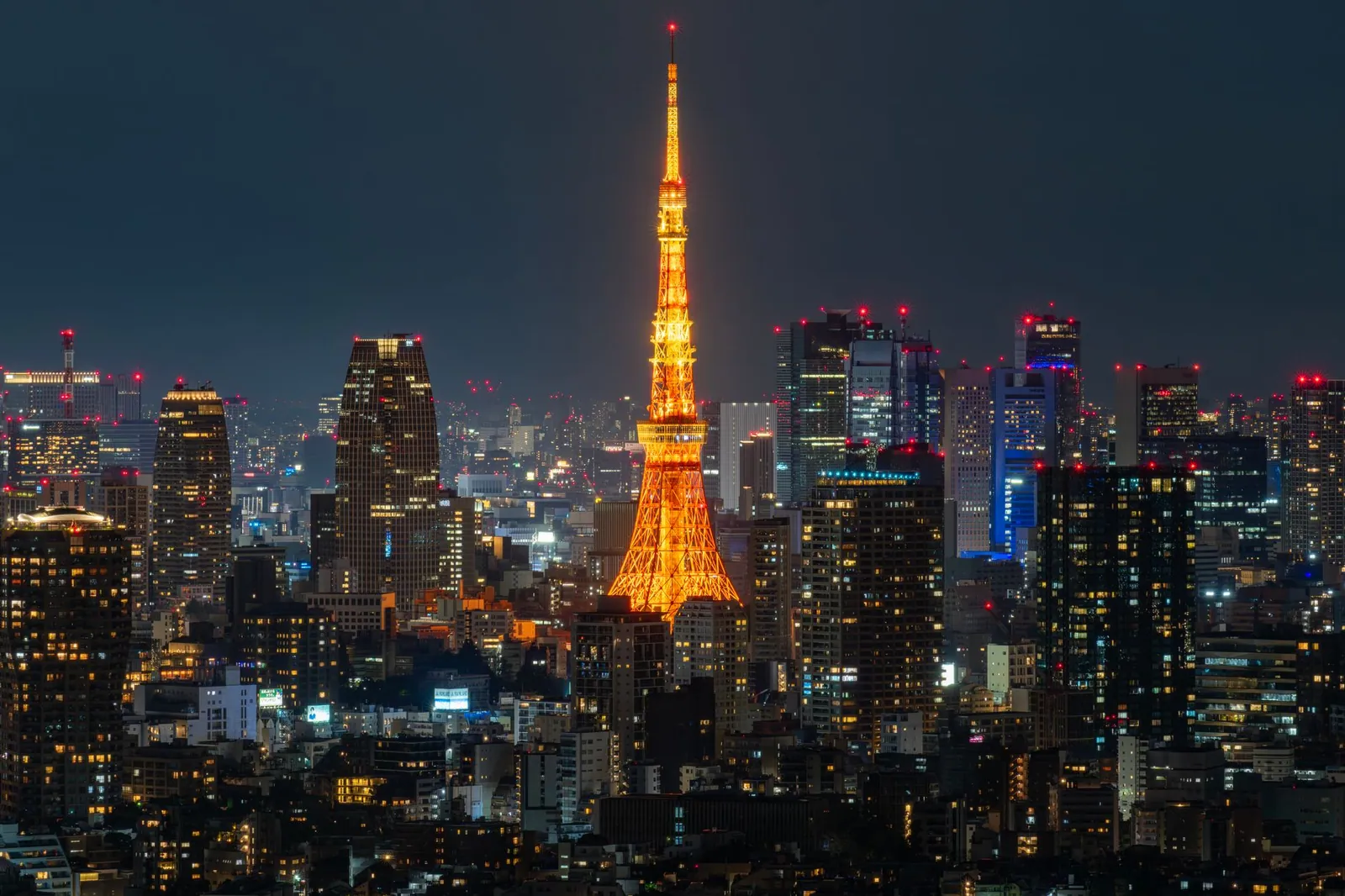
Top 10 Things to Do in Tokyo | The City Has Almost No Sights
Tokyo has almost nothing to see, in the sense that Paris has things to see, and it is one of the greatest cities on earth. That contradiction is the whole problem with a list like this, so here is one that admits it.
The list problem, admitted up front
Tokyo has almost nothing to see.
No Colosseum. No Eiffel Tower that matters. The famous crossing is a crossing. The temple everyone photographs takes twenty minutes.
And it is one of the greatest cities on earth.
The resolution is that Tokyo is not organised into attractions, it is organised into neighbourhoods, each effectively a small city with its own character, food and best hour of the day. Which makes a top ten list a slightly dishonest format for this city, so here is one that admits it: about half of these are places rather than things, and the best one is a supermarket. Ask us about Japan fares.
The ten
1. A depachika, at seven in the evening
The best thing in Tokyo and nobody lists it.
Go into the basement of a big department store. It is a whole floor of food, presented with a precision that borders on the deranged: single strawberries in fitted boxes, tempura, wagyu, forty kinds of pickle, pastry that would embarrass Paris, and people offering you samples of all of it.
Go at about seven in the evening, when the prepared food starts getting marked down and the buying becomes competitive.
It costs nothing to walk through, it is air-conditioned, and it will reorganise your understanding of what a supermarket can be. It is the single most Japanese hour available and it is free.
2. Shinjuku after dark
The one that feels like the future arrived and got crowded.
Golden Gai is a few alleys of tiny bars seating six people each. Some welcome foreigners and some do not: read the sign and respect it, which is the whole etiquette. Omoide Yokocho is smoke and yakitori and postwar atmosphere.
The station is the busiest in the world and genuinely disorienting. Do not fight it. You will get lost once and then you will be fine.
3. Yanaka, in the morning
Old Tokyo, one of the few parts that survived both the earthquake and the war.
A cemetery, wooden houses, cats, a shopping street with an actual butcher and an actual baker, and no tourists to speak of. It is the antidote to everything else on this list and it takes a morning.
4. The Tsukiji outer market, for breakfast
Still there, still excellent, even though the wholesale auction moved to Toyosu.
Go early, eat standing up, and have the tamagoyaki as well as the sushi. Compare Tokyo food tours on Viator.
5. Sensō-ji before eight
The famous temple at Asakusa, and the entire experience depends on the hour.
At ten it is a scrum. At half past seven it is empty, quiet, and you can see why it is famous. The approach street with the snack stalls is shuttered at that hour, which is a fair trade.
6. Shibuya crossing, for ten minutes
Yes, do it. It is genuinely a spectacle at night in the rain, with the umbrellas.
Then go up the hill behind it, which is a whole neighbourhood of shops and bars that almost no visitor climbs into. The crossing is the postcard; the hill is Shibuya.
7. Shimokitazawa, when you have had enough
Low-rise, second-hand shops, coffee, live music, no towers. The closest Tokyo comes to feeling like a village, and it is fifteen minutes from the middle.
Go here on the day the city has started to feel like too much, which will be day three.
8. A kissaten
An old-fashioned coffee house, where an elderly man will make you one cup of coffee with more ceremony than a bar makes a cocktail.
Dark wood, no music, no hurry, and a clientele reading newspapers. It is the opposite of everything you have heard about Tokyo and it is entirely Tokyo. Find Tokyo experiences on Klook.
9. teamLab
The digital art one, and it is worth it despite being the most photographed thing in the city.
It genuinely is unlike anything else, it is enormous, and it needs booking in advance because it sells out. Wear something you do not mind getting wet at the ankles.
10. Nikko or Kamakura
The day trip, and both are an easy train.
Nikko is mountains and shrines of a decoration that has to be seen to be believed. Kamakura is a great bronze Buddha, temples in the hills and the sea, and it is closer.
Pick one. Do not do both. Our Tokyo travel guide covers the wider country.
The rail pass mistake, before you buy one
This is the expensive one and Australians make it constantly.
The Japan Rail Pass is designed for long-distance travel between cities on the shinkansen. It is excellent value if your trip is Tokyo, Kyoto, Hiroshima, Kanazawa and back in a fortnight.
It is poor value for almost everything else, and it does not cover most trains you will use inside Tokyo, which run on the metro and private lines rather than JR.
If your trip is Tokyo plus one other city, it is very unlikely to pay for itself. Price the individual tickets first; the maths takes ten minutes.
For Tokyo itself, get a rechargeable transport card. The transport system here is the best in the world and it is cheap.
Cash, in the most futuristic city on earth
The classic Tokyo moment: standing in a tiny, perfect restaurant, holding a card, being politely and immovably told no.
Cards work in most of Tokyo now. What does not take them: some small restaurants, older shops, shrines, some ticket machines, and generally the sort of place you most want to eat at.
Carry more cash than feels reasonable. The convenience store ATMs take foreign cards reliably and are on every corner, which makes this a non-problem provided you know in advance.
While you are in there: eat something. Japanese convenience store food is genuinely good, and the egg sandwich is a thing people write about seriously and correctly.
What to skip
The observation decks. You have flown to the other side of the world to look down at a city you could be inside. The exception is if the weather is exceptional and Fuji is out, which is rare and worth it.
Any attempt to do Tokyo as a checklist. This is the only way to genuinely fail here. Pick a neighbourhood, walk around it for four hours, eat twice, come back. Do that five times and you will have understood Tokyo better than someone who ticked off fifteen things.
The Ghibli Museum, unless you planned months ago. It is wonderful and the ticketing process is a specific commitment made well in advance, not something to attempt on the day.
Booking notes
Prices shown by our partners are live and in your choice of currency, most activities confirm instantly, and free cancellation windows are stated on each listing. Tokyo needs very little advance booking, which is unusual: the neighbourhoods, markets, temples and the depachika are all simply there. The exceptions are teamLab, any famous restaurant, and Ghibli.
Getting here is around ten hours with almost no time difference, which our Sydney to Tokyo page covers, and the airport you land at decides your first day. Get a free Japan quote.