
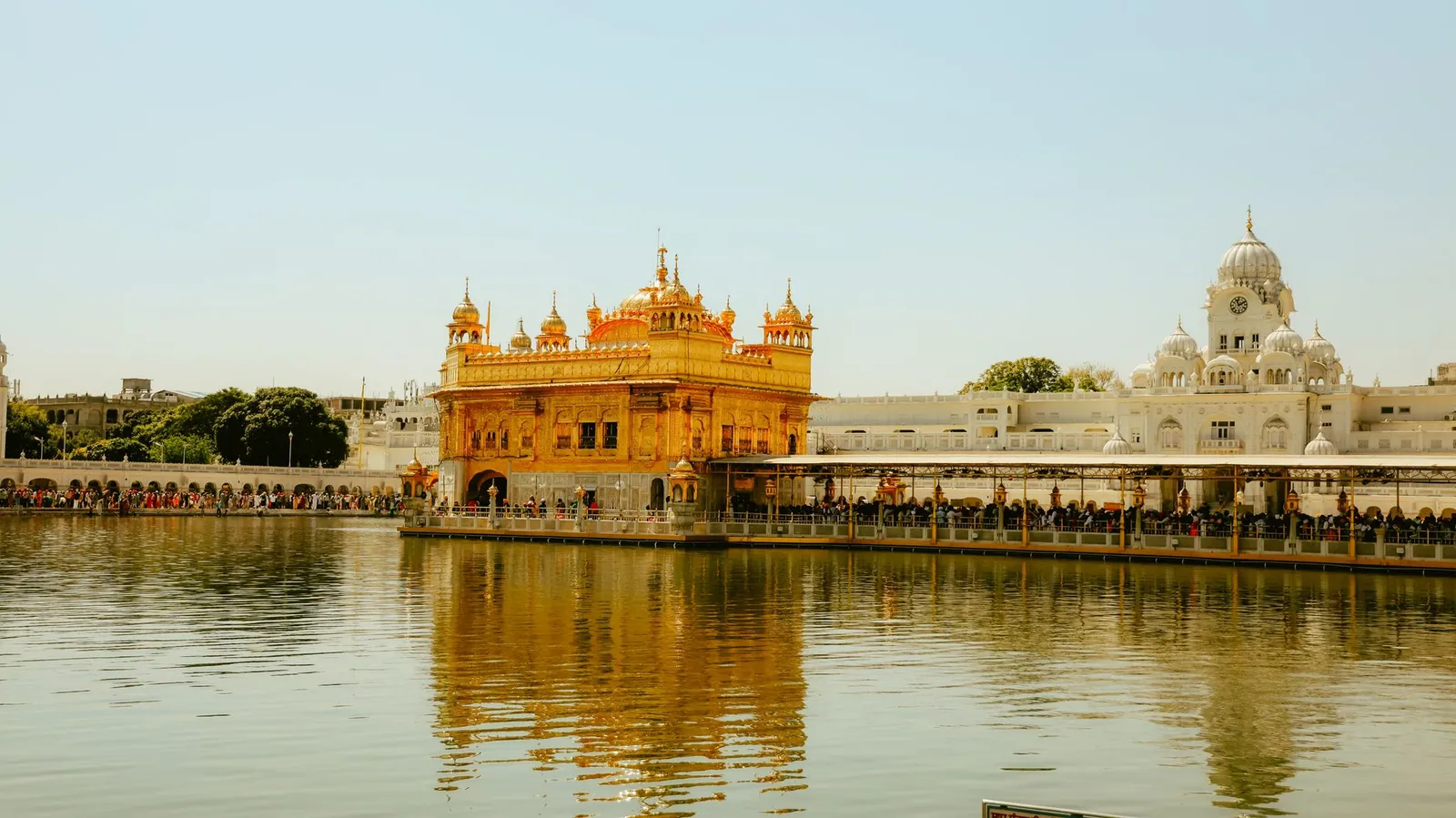
Sydney to Amritsar Flights | Protected Routes to Punjab
Sydney's Punjabi community fills this corridor with weddings, harvest festivals and grandparents in both directions, and it flies best in the hands of someone who books it weekly. The route rewards exactly two patterns, punishes improvisation, and peaks on a calendar written centuries ago.
Full price in AUD with baggage and meals included | Reply within 2 business hours | No obligation
Airlines we book on this route
We quote every full-service option and tell you honestly which is the best value for your dates. We do not publish fares because they change daily and the sharpest prices are unpublished wholesale fares. Ask us for today's best price.
| Airline | Typical routing | Good to know |
|---|---|---|
| Air India | Via Delhi | The Sydney non-stop to Delhi, then the frequent domestic shuttle north, one ticket with baggage through to Amritsar. |
| Malaysia Airlines | Via Kuala Lumpur | The single-transit alternative straight into Amritsar, generous baggage and no Indian domestic transfer at all. |
| Singapore Airlines | Via Singapore and Delhi | Changi polish on the long legs for travellers who want the premium transit, with the Delhi hop protected on one booking. |
The corridor, understood before it is booked
Amritsar sits ninety minutes' flying north of Delhi and a world away in purpose: this is the airport of the Golden Temple, of Punjab's wedding belt, of a diaspora that flies home for harvests and anniversaries with a regularity airlines can set watches by. From Sydney the geometry offers no non-stop and does not need one, because two patterns cover every sensible priority, and the genuine decisions are all in the details: which transit your grandmother can walk, which allowance swallows the wedding trunks, which arrival time survives December fog.
The Delhi pattern rides Sydney's Air India non-stop trunk, then the busiest domestic shuttle in north India. Its strengths are speed on the long leg, deep frequency on the short one (which means recovery options when winter fog shuffles mornings), and natural fit for trips that include Delhi family time. Its cost is the international-to-domestic transfer, which we pad honestly rather than cleverly.
The Kuala Lumpur pattern connects once and lands in Amritsar itself: no Indian domestic terminal, no second transfer, a single calm transit and generous Malaysia Airlines baggage. For tired bodies, solo elders and anyone whose destination is Punjab and only Punjab, it is frequently our first recommendation, and its wholesale fares regularly lead the corridor. Its constraint is frequency, so date flexibility helps.
Both patterns share the one-ticket rule, and the free quote prices them side by side, which is the only comparison that settles anything.
The calendar written before the airlines existed
This corridor's peaks are religious and agricultural, and they do not negotiate. Vaisakhi in mid-April is the summit: the harvest festival and the founding of the Khalsa in one week, the Golden Temple at maximum radiance, and every Punjabi community on earth flying home simultaneously. Diwali and Bandi Chhor Divas light the temple in the October-November window and open the wedding season that runs through February, stacking demand across the entire Australian summer. Lohri in January adds bonfires to the wedding stack, and Sydney's school holidays compound the whole southern peak.
The strategy is not clever, just disciplined: dates that touch these events want four to six months of lead time, wholesale allocations reward the organised, and two days of flexibility around a festival week regularly changes the fare bracket. The quiet window, May through September, prices at its calmest and suits the family visits whose dates are chosen rather than imposed; Punjab's monsoon greens the fields and bothers nobody's plans much.
Fog, weddings and other realities we plan around
Two Decembers of experience worth borrowing. First, Delhi fog: midwinter mornings can shuffle the domestic shuttle by hours, so on the Delhi pattern in December and January we book afternoon Amritsar connections by default and pad them honestly; the KL pattern sidesteps the issue entirely, one of its quiet winter advantages. Second, wedding logistics: the corridor's baggage runs heavier than any we serve, formalwear, gifts, and the return-leg pickle economy, so allowances get compared before fares, and group blocks for ten or more guests hold seats while the RSVP list wanders. Flying the whole family for a wedding is a project with a deadline; treat it like one and it stays joyful.
Third, the travellers this corridor is really built around: parents and grandparents flying solo. The assistance chain, wheelchairs at three airports, meals coded, crew aware, a family contact who can reach a human, is arranged at booking in one conversation, and it converts a daunting journey into a managed one. This is the booking we take most personally, because our clients do.
The arrival, and the first morning
Amritsar's airport is compact and calm, half an hour from the old city, and the standing advice applies: pre-arranged pickup, some rupees in hand, and no heroics on arrival night. If the Golden Temple is the heart of the trip, and it usually is, resist visiting straight off the aircraft; sleep first and go at dawn, when the sanctum glows over quiet water and the queue is short, exactly as our Amritsar guide recommends. Onward Punjab is easy from here, Jalandhar and Ludhiana by road, Chandigarh by expressway, and the open-jaw construction home from Delhi saves a backtrack for itineraries that end in the capital; the wider India network page maps the combinations.
Premium cabins and the pilgrim's economy
Two ends of the fare spectrum deserve a word each. Up front, the business cabins on both patterns convert this long corridor for the travellers who need converting most: the flat bed on the overnight leg means a grandmother lands in Punjab rested rather than wrecked, and wholesale premium fares on the Asian patterns sit closer to flexible economy than most families assume until they ask. The mixed construction, business for the long sector and economy on the short hop, trims the bill further with nothing meaningful lost, and our business class to India analysis covers the mechanics corridor-wide.
At the value end, this corridor rewards the patient better than almost any we sell: its peaks are so predictable that the counter-seasonal traveller, flying in May or August with two days of flexibility and a mid-week departure, routinely pays a fraction of the January rate for the same seats. Students heading home between semesters, retirees whose calendars answer to nobody, and the pilgrims for whom the temple matters more than the season all benefit from simply telling us the trip's real constraints. The corridor's folklore says flights to Punjab are always expensive; the truth is they are expensive on the dates everyone shares and gentle on the dates nobody fights over, and thirty seconds of honesty in the quote form sorts which trip yours is.
Booking tips for this route
- One ticket, no exceptions. The corridor's whole risk lives at the connection; protection costs nothing and improvisation costs plenty.
- Vaisakhi is the year's hardest deadline. Four to six months out, and the good timings sell first.
- December means afternoons via Delhi, or KL instead. Fog season is manageable when it is planned for.
- Allowances before fares. Wedding luggage makes generous-baggage patterns worth more than headline differences.
- Solo elders get the full chain. Assistance across all three airports, arranged at booking with a person accountable.
Fares move daily and price individually: request your free Sydney to Amritsar quote and a consultant who books Punjab weekly replies within 2 business hours with both patterns priced side by side, in Australian dollars, baggage in writing.