
Hyderabad Travel Guide | Biryani, Forts and Nizami Grandeur
Hyderabad wears its history like its famous pearls, layer on layer. A mediaeval fortress, a Nizam's treasury of palaces, a 400-year-old bazaar under four minarets, and the biryani against which all other biryanis are judged. The tech city the world knows is only the newest layer.
Begin under the four minarets
Every Hyderabad visit sooner or later stands beneath the Charminar, the four-towered gatehouse that has anchored the old city for over four centuries, and it should be sooner: come before 10am, climb its narrow stair if it is open, and take the aerial view of the bazaar grid the Qutb Shahis planned around it. The Mecca Masjid, one of India's largest mosques, sits a stone's throw away, its bricks legendarily pressed with soil from Mecca itself.
Then submit to the bazaars. Laad Bazaar runs west from the Charminar in a corridor of lac bangles, wedding finery and mirror-flash; Patther Gatti strings the pearl trade along the approach; and the lanes between deal in attar, silver and biryani in roughly equal measure. This is dense, joyful, handcart-and-scooter India, best navigated on foot, in the morning, with small notes and no schedule. A guided old-city heritage walk on your first morning, bookable through the partners below, threads the history through the commerce and is the single best investment of the trip.
The fortress and the tombs: Hyderabad's epic afternoon
Golconda Fort is the Deccan's great citadel, a granite hill wrapped in walls that once guarded the world's only diamond market, the mine-source of the Koh-i-Noor and the Hope. Allow a full half-day: the climb to the summit pavilion earns a city panorama, the acoustics are the famous party trick (a clap at the entrance dome reports to the summit, an early-warning system you can still test), and the evening sound-and-light show retells the Qutb Shahi story after the heat breaks. Go up in the late afternoon, watch the light change, stay for the show.
Ten minutes away, the Qutb Shahi Tombs gather the dynasty's domed mausoleums in landscaped gardens, beautifully restored and inexplicably uncrowded; they are the contemplative counterweight to the fort's scale. Together the pair make Hyderabad's essential afternoon, and a car by the half-day is the sensible way to run it.
Palaces, museums and the Nizam's impossible wealth
The Nizams of Hyderabad were, for a stretch of the twentieth century, plausibly the richest men on earth, and the city still glitters with the evidence. Chowmahalla Palace, the dynasty's ceremonial seat near the Charminar, parades durbar halls, vintage Rolls-Royces and courtyards of pale elegance. The Salar Jung Museum holds one man's forty-thousand-object collecting habit, from the veiled Rebecca marble to the musical clock that draws a crowd on the hour; give it two selective hours rather than a completist day. Falaknuma, the palace on the hill, now lives as a hotel, and its high tea or dinner is the accessible way inside the Nizami fantasy for travellers not sleeping there. Between them they explain why Hyderabadi grandeur remains a byword, and why the pearls downstairs in Patther Gatti still assume a royal customer.
The eating city: a syllabus beyond biryani
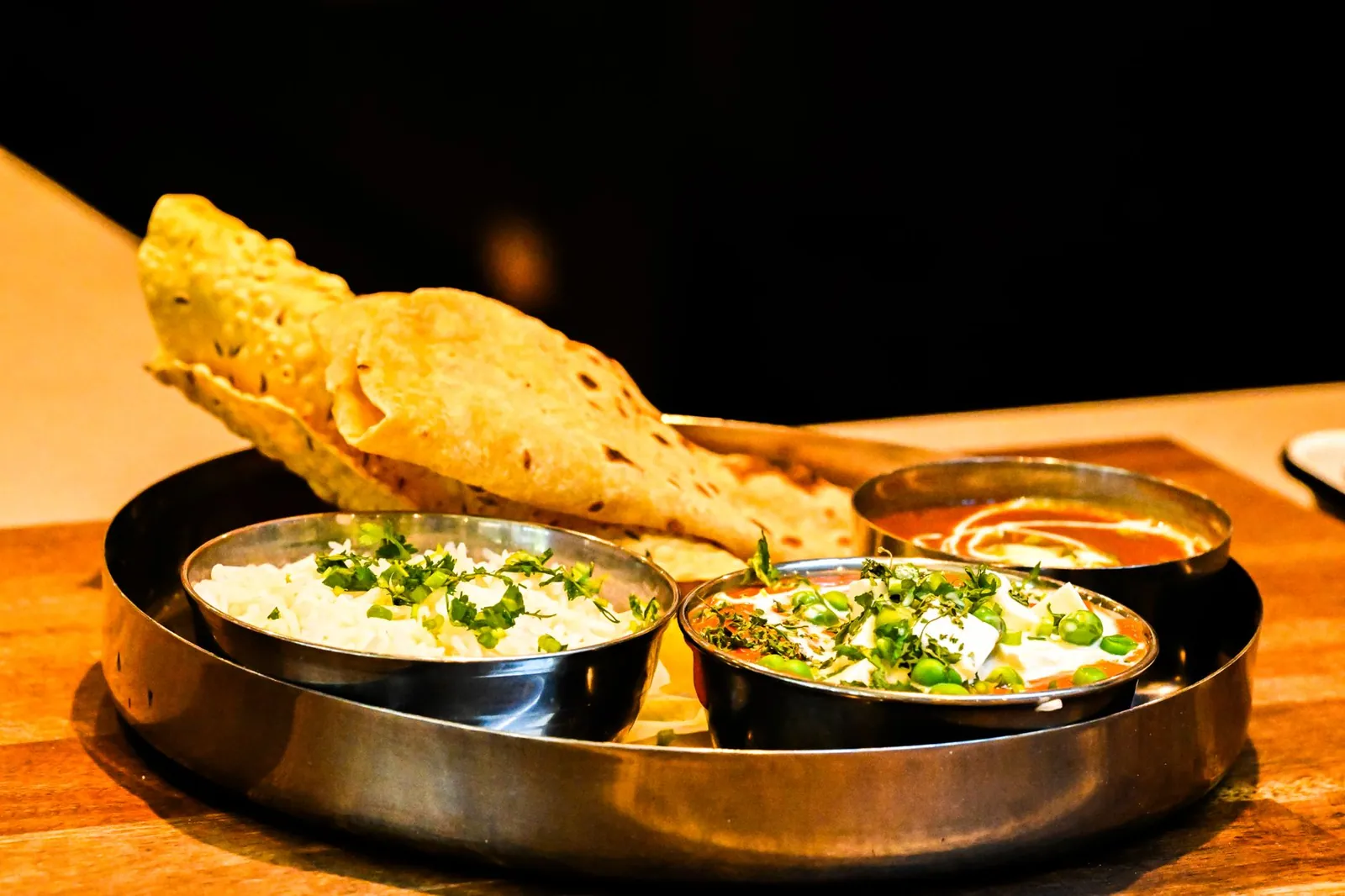
The biryani is obligatory and the argument about whose is best is half the fun, but stopping there wastes the city. Haleem, the slow-pounded wheat-and-meat richness, rules Ramadan evenings and has its own devoted season-watchers. Irani chai with Osmania biscuits in the old cafés is the city's punctuation mark, taken mid-morning and repeated without shame. Nihari and paya own the dawn shift near the Charminar for the adventurous; dum ke roat and Karachi Bakery's fruit biscuits handle the sweet tooth; and the southern half of the city's identity shows up in fiery Andhra meals on banana leaves and Telangana's millet rotis. Ramadan, whenever it falls, converts the old city into India's greatest night market of food; if your dates brush it, eat your way through an evening and thank yourself later.
Three days, shaped by someone who has done them
Day one, the old city: Charminar and Mecca Masjid early, bazaar wandering and pearl education through the morning, Chowmahalla Palace after lunch, Irani chai to recover, and biryani legend number one for dinner.
Day two, the citadel: Salar Jung's highlights in the morning, a long lunch, then Golconda from late afternoon through the sound-and-light show, with the Qutb Shahi tombs squeezed into the golden hour between.
Day three, the breather: Hussain Sagar lake and the Buddha statue by morning boat, the ikat and handloom shops, a Falaknuma high tea if the budget stretches or the Nehru Zoological Park with children if it does not, and biryani contender number two to settle your allegiance before the flight.
Business travellers with one free day: compress day one and the Golconda evening together, skip the museums, and have us build the extra day into the work trip next time; it is the cheapest upgrade in travel.
Where to stay, by the trip you are taking
Heritage-first visitors do best in the Abids and old-city fringe, where the Charminar is a short ride and the morning bazaars are yours before the coaches arrive; the hotels are functional rather than fashionable, and the location is the luxury. The Banjara Hills and Jubilee Hills belt is the comfortable middle: the city's best restaurants and cafés, leafy streets, and a fair ride to both the old city and the tech corridor, which makes it the default for most leisure stays. HITEC City and Gachibowli serve the working trip with international-brand towers beside the campuses, and the honest advice for anyone staying there with a free weekend is to migrate east for it. And Falaknuma, for the one-night splurge, is less a hotel choice than a bucket-list line item: sleeping in the Nizam's palace, staff outnumbering guests, the city glittering below. Rates across all four belts move with conference season more than tourism, so compare Hyderabad hotel rates early when big tech events share your dates.
The practical file
- Getting around: the Metro spine is clean and quick where it runs; app-based cabs and autos cover the rest. Old-city lanes are walking country.
- Heat management: October to February needs none; from March, adopt the local rhythm of early mornings, shaded afternoons and lively nights.
- Dress: modest cover for mosques and old-city wandering; scarves for women at religious sites.
- Airport note: the airport sits well south of the city with an express highway; budget forty-five minutes to most districts and enjoy one of India's smoothest arrival experiences.
Getting there from Australia
Hyderabad connects to Australia through the Asian hubs on full-service one-stops, with additional schedule depth via other Indian gateways on a single through-ticket, and its airport makes the last mile unusually painless. Demand swells for the wedding months, the festival calendar and the tech corridor's project rotations, and fares move daily, quoted individually as always. Request your Hyderabad fare quote and a consultant replies within 2 business hours with wholesale fares and routings, and if the trip extends to Bengaluru, Chennai or the wider India network, we will build the multi-city version in the same quote.