
Top 10 Things to Do in Kuala Lumpur | Three Cuisines and a Cave
Half this list is food, and that is not laziness. Kuala Lumpur has three complete cuisines cooking side by side and borrowing from each other, and it is the reason to come rather than the thing you do between sights.
Half this list is food, and that is the point
Kuala Lumpur is not a sightseeing city, and pretending otherwise is why people come home saying it was boring.
What it is: a place where three complete cuisines cook side by side and borrow from each other. Malaysia's population is Malay, Chinese and Indian, and in KL those three have been cooking next to each other for generations, with a fourth, Nyonya, growing out of the marriages between two of them centuries ago.
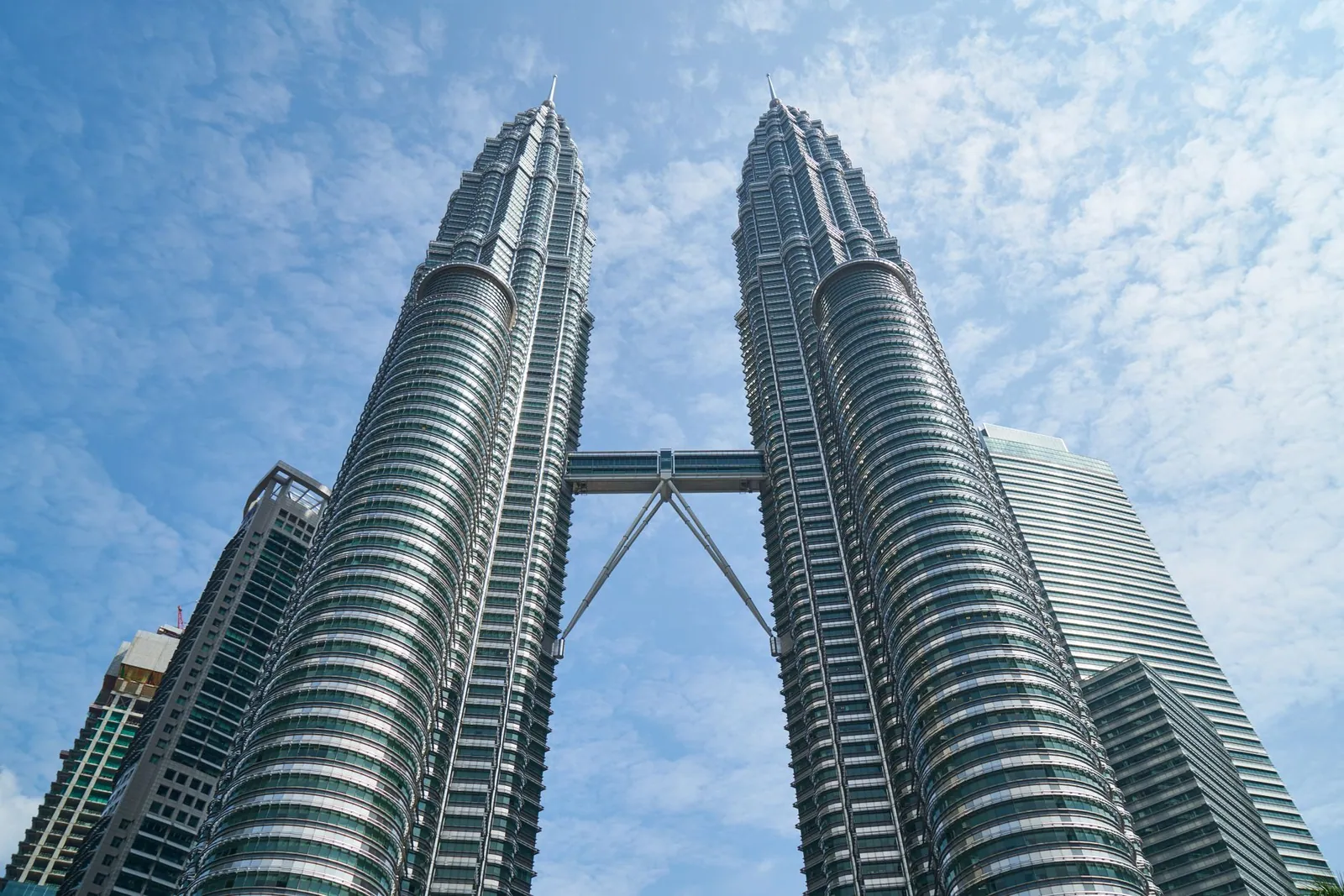
That is the reason to come. The towers are a photograph. Ask us about a KL stopover.
The ten
1. A mamak stall at midnight
The single most Malaysian experience available and it costs almost nothing.
Indian-Muslim, open all night, plastic chairs on a footpath, teh tarik pulled theatrically between two cups from a great height, roti canai slapped and spun and griddled to order, and a crowd watching football at three in the morning.
Nobody is performing for tourists. Go late. Order the roti.
2. The Batu Caves, early
The best half-day near any Asian city and it is a commuter train away.
Half an hour from the central station, direct, and you arrive at an enormous limestone outcrop with a giant golden statue at the base and a very long, very steep painted staircase up to a cave temple inside the hill.
Go early. The heat is serious by ten and the monkeys are thieves with no shame whatsoever. Take water. Find Batu Caves trips on Klook.
3. Nasi lemak for breakfast
The national dish, and it is breakfast rather than dinner.
Coconut rice, a fried anchovy and peanut crunch, cucumber, egg, and a sambal that decides whether the version is good. Eat it from a stall, out of a banana leaf parcel, standing up. Not from a hotel buffet on a plate.
4. Banana leaf rice in Brickfields
The KL Indian lunch: rice on a leaf, three vegetables, a pappadum, curry poured over it, and refills until you fold the leaf.
Fold it towards you if you enjoyed it. Away if you did not, which you will not need.
5. The Islamic Arts Museum
Superb, and almost empty, which is a common and welcome combination in this city.
Give it two hours. It is one of the best museums of its kind anywhere and nobody goes.
6. A rooftop bar looking at the towers
The counterintuitive one. The Petronas Towers are worth going up once, with timed tickets booked in advance because they sell out.
But the better experience is looking at them from a rooftop at dusk, because they are the thing you came to see and you cannot see them from inside them.
7. Merdeka Square and the old colonial core
The Sultan Abdul Samad building, and the confluence of two rivers that gives the city its name, which translates roughly as muddy estuary.
An hour, and it explains where the place came from. See KL tours on Viator.
8. Char kway teow, and the wok hei test
The Chinese-Malaysian noodle standard, and the test is wok hei: the smoky char that only a screaming-hot commercial wok produces and a home kitchen cannot.
If it does not have it, you are in the wrong place. Move on.
9. The mosques, respectfully
Masjid Jamek sits at the river confluence and Masjid Negara, the national mosque, has a roof that is a genuinely good piece of modernist architecture.
Both are open to respectful non-Muslim visitors outside prayer times, and robes are provided at the door.
10. KL Bird Park
A large walk-in aviary, and it is genuinely excellent, which is not a sentence we write often about bird parks. Good for families and a good use of a hot morning.
Nothing is walkable, and the map lies
The practical thing that shapes every day here.
Distances that look like a stroll are a sweaty twenty minutes with no footpath, because the city was built for cars and then apologised for it with covered walkways in some places and not others.
The trains work and nobody uses them. The commuter rail and light rail cover most of what a visitor wants, they are cheap and air-conditioned. Visitors default to ride-hailing and then sit in traffic and blame the city.
The covered walkway network connects parts of the centre, particularly between KLCC and Bukit Bintang, and where it reaches, walking is pleasant. Where it does not, it is not.
Plan around the afternoon downpour, which is what the whole city does.
What to skip
Petaling Street, mostly. It is a covered market street selling counterfeit everything, and the reason to go is the food around the edges rather than the handbags in the middle.
More than three days here. This is the real one. Two days does KL properly and the people who tell you it was boring are the people who stayed a week. Beyond three days you should be in Penang for the food and the shophouses, Langkawi for a beach, the Cameron Highlands for tea and a jumper, or Borneo, which is a different country in every sense that matters.
Which is exactly why KL is such a good stopover rather than a destination: two days, and you have had the best of it, and our Kuala Lumpur layover guide covers how to fit it around a connection.
The weather is the same every day
There is no season here in any useful sense, which is genuinely convenient.
KL sits near the equator: hot and humid every day of the year, with rain arriving as an intense afternoon downpour rather than a grey day. March to April and September to November are somewhat wetter and it matters less than you would think.
The practical consequence: you can book on price rather than season, which is rare. Our Kuala Lumpur travel guide covers the city in full.
Booking notes
Prices shown by our partners are live and in your choice of currency, most activities confirm instantly, and free cancellation windows are stated on each listing. Almost nothing in KL needs advance booking: the caves take a train, the food takes a plastic stool. The Petronas Towers are the exception, because the timed tickets sell out.
One honest note: alcohol is taxed heavily here. It is not a dry country, and a beer costs more than the meal it came with. It is the one thing in KL that is not cheap, and it is worth knowing before you build an evening around a bar rather than a mamak stall.
Our flights to Malaysia page covers the corridor. Get a free Malaysia quote.