
Sydney to Kathmandu Flights | Routes, Seasons, Trek Timing
Sydney to Kathmandu serves two devotions, the trekkers bound for the highest walking country on earth, and Australia's fast-growing Nepali community flying home for Dashain, weddings and family. Both need the same thing from the route, one protected ticket through the right hub in the right season.
Full price in AUD with baggage and meals included | Reply within 2 business hours | No obligation
Airlines we book on this route
We quote every full-service option and tell you honestly which is the best value for your dates. We do not publish fares because they change daily and the sharpest prices are unpublished wholesale fares. Ask us for today's best price.
| Airline | Typical routing | Good to know |
|---|---|---|
| Malaysia Airlines | Via Kuala Lumpur | The workhorse pattern, one transit straight into Kathmandu with generous baggage for trek and festival luggage alike. |
| Thai Airways | Via Bangkok | The classic trekker's routing, comfortable overnight metal and a morning arrival under the Himalaya. |
| Air India | Via Delhi | The Sydney non-stop trunk plus the short hop over the border, one ticket, strongest when India joins the trip. |
A route where the seasons are everything
Most corridors have peaks; Kathmandu has alignments. The autumn window, October and November, stacks the post-monsoon trekking clarity, Dashain and Tihar into six weeks when everyone who loves Nepal, by birth or by boots, flies at once. The spring window, March to May, adds the second trekking season with rhododendrons torching the hillsides. Between them sit the monsoon's quiet months, June to September, when the trails empty, the fares soften and only the Mustang rain-shadow trekkers and family travellers with flexible dates fly happily, and the winter's crisp, cold, cheap lull, December to February, which suits Kathmandu valley sightseeing better than its reputation admits.
The booking translation: autumn flights want four to six months of lead time, spring wants three to four, and the festival dates shift with the lunar calendar each cycle, so they get checked, not remembered. Tell us the trip's real driver, trek dates, festival, family, and the season strategy writes itself.
Three patterns into the valley
Via Kuala Lumpur is the corridor's workhorse: one transit, a direct sector into Kathmandu, and Malaysia Airlines' generous baggage absorbing trekking duffels and festival gifts with equal grace. When allocations are open it is frequently the sharpest wholesale fare on the route. Via Bangkok is the classic trekker's line, Thai's comfortable overnight metal delivering the morning arrival that puts first-timers at their hotel window staring at the foothills by lunch. Via Delhi rides Sydney's Air India non-stop then hops the border, one ticket throughout, and earns its place when India shares the itinerary, a Golden Triangle warm-up before the mountains being a construction we build every season.
All three live by the one-ticket rule, and Kathmandu adds its own reinforcement: the valley's weather and the airport's single-runway rhythms make delays part of the route's character, and a protected through-ticket converts them from crisis to inconvenience. Self-assembled itineraries into KTM are gambling with thinner margins than they know.
Two communities, one corridor
The trekkers and mountain travellers need the route to serve the trail: arrival days that leave acclimatisation margin, duffel allowances confirmed in writing, internal sectors to Pokhara ticketed alongside, and honest counsel about Lukla's weather rules, which we coordinate with trekking operators rather than pretending flights control mountains. Travel insurance that genuinely covers trekking altitudes is not our product but is our standard nag; the guides section covers the wider preparation.
Sydney's Nepali community, among Australia's fastest growing, flies the corridor for Dashain and Tihar, weddings, and the family milestones that remittance economies measure in visits. Their bookings run on the festival calendar's four-to-six-month rule, allowances that swallow gift luggage, and the assistance chain for parents making the journey in either direction, wheelchairs at three airports, coded meals, a family contact throughout. The same corridor carries students in both directions with semester-wave regularity, and their relocation allowances go unclaimed as reliably here as everywhere.
Kathmandu arrival, and the country beyond
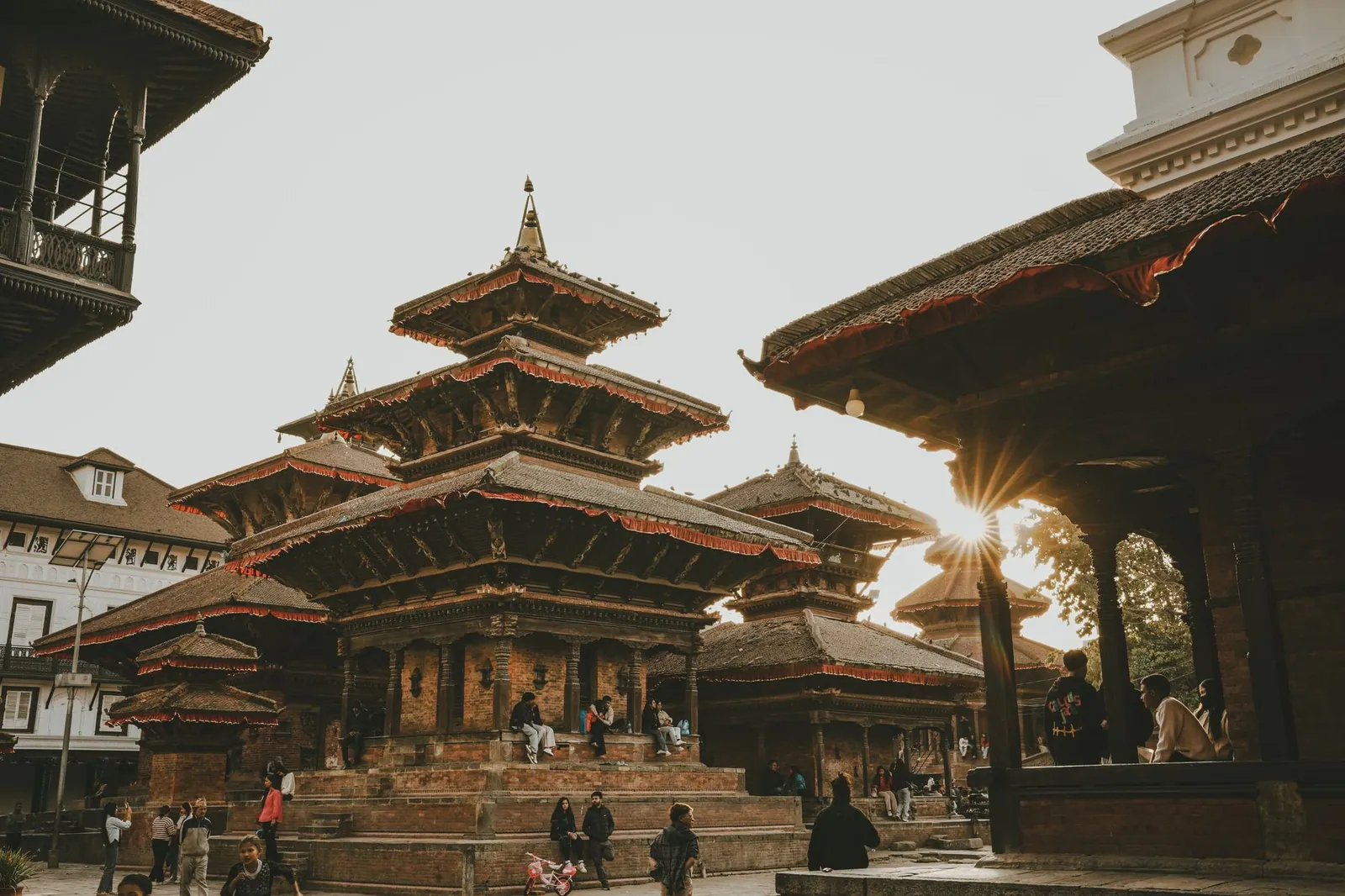
Tribhuvan International is compact, occasionally chaotic and entirely manageable with expectations set: visa-on-arrival queues move faster with the online form done beforehand, luggage takes its time, and the pre-arranged pickup rule applies doubly in a city whose taxi negotiations are a sport. The valley itself deserves days, not hours, Swayambhunath at dawn, Patan's Durbar Square at dusk, Bhaktapur's medieval streets, before or after whatever the mountains have planned for you. Onward, Pokhara's lakeside launches the Annapurna treks by short flight or scenic road, Chitwan's jungle adds rhinos to the itinerary, and the internal sectors ticket alongside the international journey where schedules allow. The whole shape, flights, valley days, trail logistics, prices best as one plan, which is how we build it.
The altitude briefing nobody asks for and everybody needs
A flight page has no business teaching mountain medicine, but it can teach mountain scheduling, because the single most common trekking mistake is made at booking time, not on the trail. Itineraries that land in Kathmandu and fly to the trailhead the next morning leave zero margin for the two things Nepal reliably supplies: flight delays into the valley and bodies that want a day before working harder. The professional shape adds a buffer day in Kathmandu on arrival, which doubles as the valley sightseeing the trip deserves anyway, and a spare day at the end before the international departure, because mountain weather delays trekkers coming out as cheerfully as it delays them going in. Missing an international flight home over a Lukla backlog is a rite of passage we prefer our clients to skip.
The same margin thinking applies to festivals: Dashain travel that lands the day before the family gathering has bet a year's reunion on a tight connection, and the one-day buffer costs less than the stress it retires. Whether the trip's summit is a pass or a grandmother's kitchen, the principle holds, and we build it in by default unless told otherwise. Margin is the cheapest thing we sell, and on this corridor it is also the most valuable.
Booking tips for this route
- Book against the alignment, not the month. Autumn stacks treks and festivals together; its flights sell first and its lead times are real.
- One protected ticket, absolutely. Kathmandu's weather makes schedule resilience part of the fare's value.
- Duffels and gifts weigh the same to a scale. Allowances compared beside fares, every quote.
- Lukla is weather's kingdom. Build margin days around mountain airstrips and let us coordinate with the trek operator.
- Festival dates shift. Dashain and Tihar get checked against the current calendar, months ahead.
Fares move daily and price individually: request your free Sydney to Kathmandu quote and a consultant replies within 2 business hours with all three patterns priced side by side, in Australian dollars, baggage in writing and the season strategy attached.